
Peer Support in Addiction Recovery: What to Expect and How to Start

At a first recovery meeting, you may be less interested in an explanation of addiction than in how someone got through last Friday night. Peer support makes room for that kind of practical, lived experience.
It can happen in a mutual-help group, through a trained peer worker, or in an online community. These formats differ in training, rules, and what support they can provide.
What the evidence supports
A 2016 review of peer support groups in addiction treatment reported promising findings on substance use and engagement. It also noted limited rigorous research and difficulty separating peer support from other services delivered alongside it. There is no single improvement rate that applies to every group or addiction.
There is stronger evidence for some specific approaches. A 2020 Cochrane review found that structured AA/12-step facilitation could improve continuous abstinence compared with other established treatments for alcohol use disorder. That result does not establish the effectiveness of an unrelated social app or a gambling group.
Before you join
A few practical questions can make the first visit easier:
- Can a new participant listen without speaking?
- Who facilitates the group, and how are disagreements handled?
- What are the rules on confidentiality, recordings, and sharing other members’ stories?
- Is the group for people with the problem, affected family members, or both?
- What happens if someone needs urgent help?
An anonymous name does not make a public post private. Share only what you are comfortable having others see, and keep other people’s identifying details out of your story.
What a useful exchange can look like
You might describe a difficult hour and hear how someone planned for a similar one. You might ask where people found local help. Advice is still another person’s experience, so check medical decisions with a clinician rather than changing medication or treatment because a member suggests it.
You do not need to reply to everyone or become responsible for another member’s recovery. If you want to contribute, a brief supportive comment can be enough. It is also fine to listen.
Finding a place that fits
A group that feels uncomfortable on the first visit may simply be unfamiliar, but you can also try a different format. Pressure to disclose, humiliation, or demands to abandon medical care are reasons to look elsewhere.
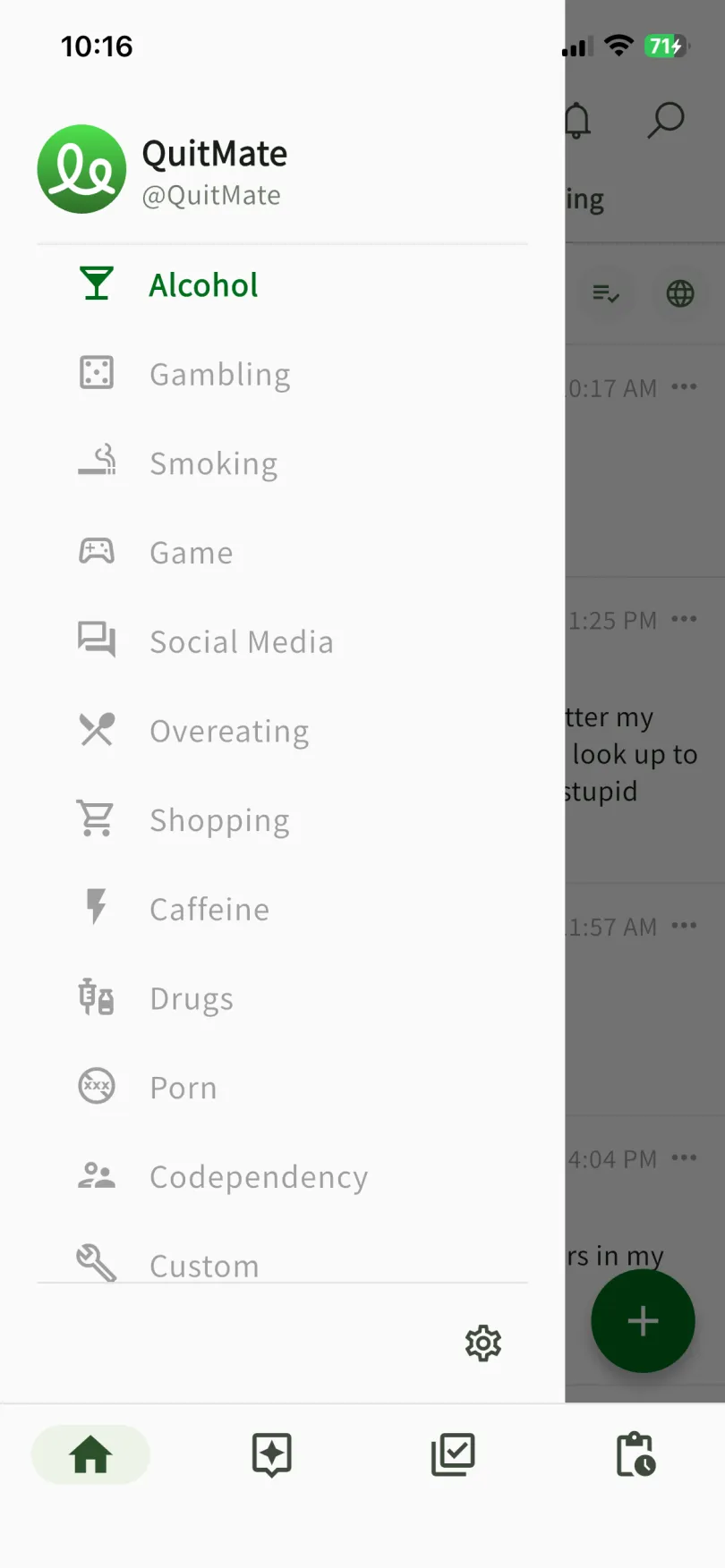
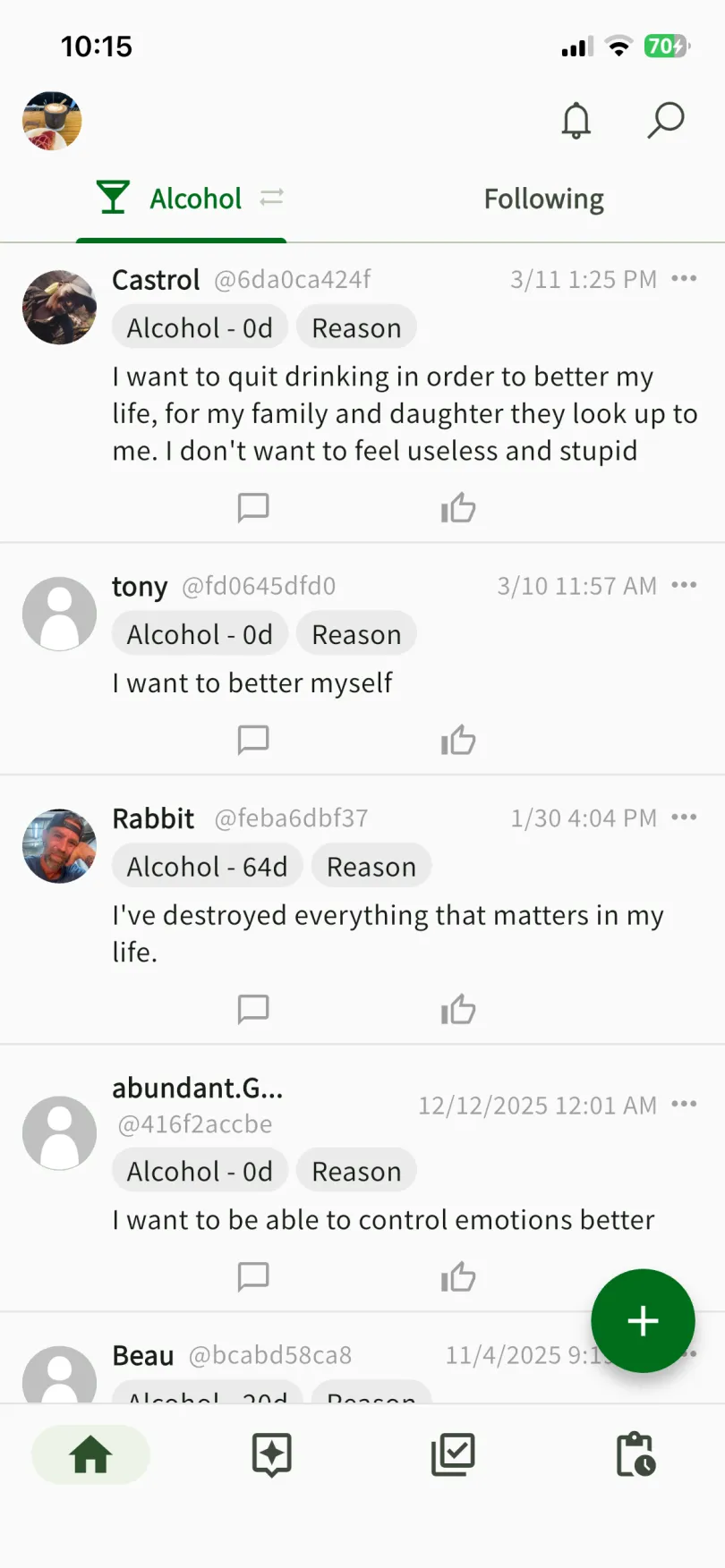
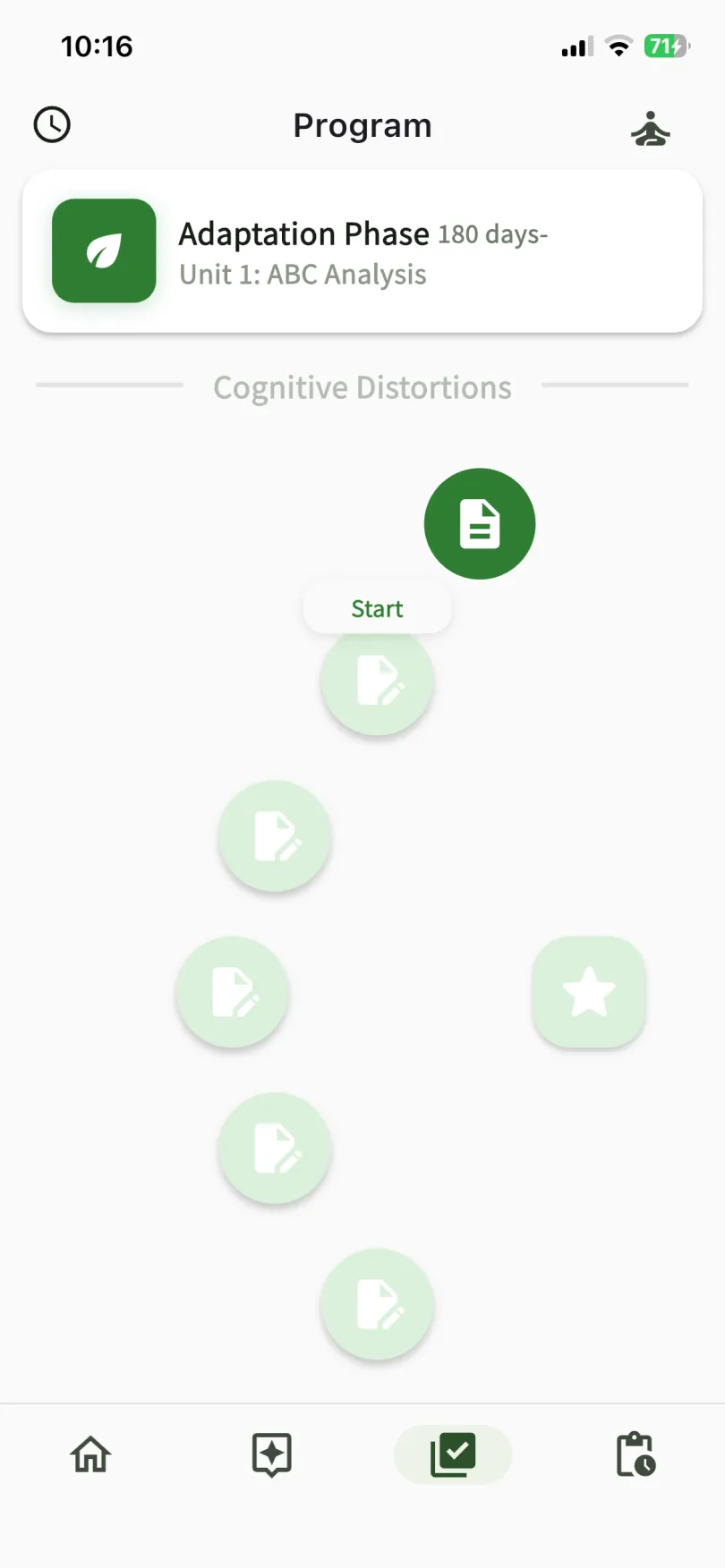
QuitMate offers one way to read and share recovery experiences online. Online support and professional treatment can play different roles in the same plan. Choose support by what it helps you do in daily life, not by how much time you spend participating.
You may also like

Recovery Can Mean Choosing a Different Life, Not Recreating the Past
Wanting an old life back can sit alongside fear of repeating a harmful pattern. One person's change of plan shows how recovery can involve new choices and support.

Online Recovery Communities and Treatment: How to Use Both
A community can offer a place to write between appointments. Learn how that differs from clinical care, what digital-support research covers, and how to plan for times when no one replies.

Early Comments and Longer Streaks: What 599 QuitMate Records Show
In a selected group of 599 users, early comments written on others’ posts were associated with longer maximum streaks. The figures, selection criteria, and limits of the comparison.

After a Lapse: Reviewing What Happened Without Attacking Yourself
An ABC record separates the situation, the behavior, and its consequences. Use a concrete example to identify what needs repair and what you could prepare differently next time.

QuitMate
Together, you can quit
Connect anonymously with others who share your struggle. Whether it's alcohol, smoking, gambling, or other habits, you're not alone.