
Two Weeks Without Alcohol: What Feels Better and What Still Does Not

Two weeks without alcohol can include an easier morning and a difficult night. A change you welcome does not mean everything else has caught up. The QuitMate records from this period are useful for seeing those differences, rather than identifying a single “week-two effect.”
What one writer noticed in everyday life
“Monday morning. I used to dread it so much I’d search for excuses to stay home. Now that feels like a lie. I’m making lunch every day. I’m not popping antacids every day. I’m still a bit sluggish and my mood isn’t fully stable yet, but… I think things are getting better? Slowly but surely.”
This day-11 account includes making lunch, going to work, and still feeling sluggish. Those details belong together. They give a more specific picture than a promise that brain fog disappears at two weeks.
Feeling clearer can matter without being evidence that new neurons began forming on a particular day. If fatigue or mood difficulties continue, describe them separately when you seek advice.
Appetite and weight may move in different directions
“Instead of drinking, I’ve been filling the void with food and sweets. And yeah, I’ve put on a bit of weight.” (Day 11)
This writer noticed eating more at day 11. Removing alcohol changes one part of a diet; meals, snacks, and activity may change too. You cannot predict weight loss from an assumed calorie saving without knowing what someone actually drank and ate.
Try to notice whether you are missing meals, getting hungry late at night, or using snacks to fill the time you used to spend drinking. Regular meals may be a more workable first adjustment than trying to overhaul several habits at once. If you have a medical condition affecting diet, discuss changes with your clinician.
Sleep does not follow a two-week deadline
“Day 9 of no alcohol. Nothing’s changed. Not losing weight. Can’t sleep.” (Day 9)
The day-nine writer had not felt the improvement they expected. Another person in the records reported sleeping longer. Those accounts cannot establish a “second wave” of insomnia that always resolves in three to five days.
NHS guidance on alcohol withdrawal notes that sleep can take time to settle. Continuing or worsening symptoms deserve advice. New symptoms should not automatically be attributed to recovery, and prescribed sleep medicine should not be changed because another user’s post mentions stopping it.
If you have repeatedly stopped and restarted heavy drinking, tell the clinician about earlier withdrawal symptoms. App reset intervals cannot diagnose the biological process known as kindling or predict how severe the next episode will be.
Compare the things you can actually observe
Write down bedtime, waking time, appetite, daytime energy, and a routine you care about. A blood test is a separate measurement: your clinician can explain what it means in the context of your history. Two weeks of abstinence does not by itself show that liver disease has resolved or that medication is no longer needed.
If evenings or social invitations are now the harder part, the three-week to one-month article looks at preparing for them. You can work on those situations while still getting help with symptoms that have not settled.
You may also like

Changes After Quitting Alcohol: A Guide from the First Week to a Year
Find articles on early sleep difficulties, daily routines, one-month checkups, and longer-term changes. Personal records and research offer context without a guaranteed recovery schedule.

Three Months to a Year Without Alcohol: Money, Time, and Lasting Changes
Longer-term records describe spending decisions, relationships, and cravings that can remain. Explore those changes without treating three months or one year as a guaranteed turning point.

When Will You Feel Better After Quitting Alcohol? What to Watch For
Sleep, mood, appearance, and health measurements do not improve on one schedule. Learn what to observe, which symptoms need help, and how to compare your own changes.
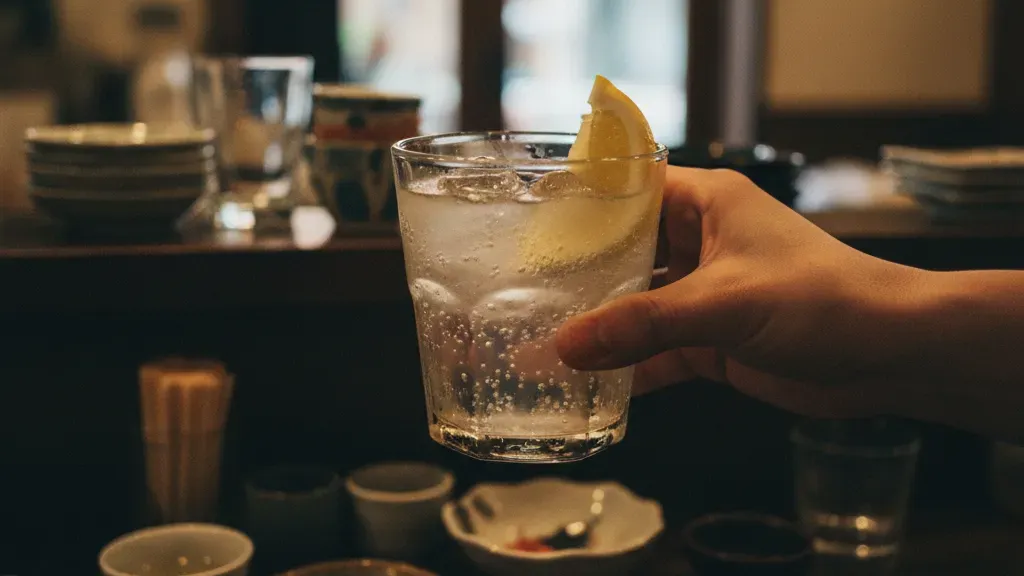
Three Weeks to One Month Without Alcohol: Evenings, Invitations, and Checkups
As drinking routines change, empty evenings and social invitations may need a new plan. We look at personal records and what a one-month abstinence study can actually show.
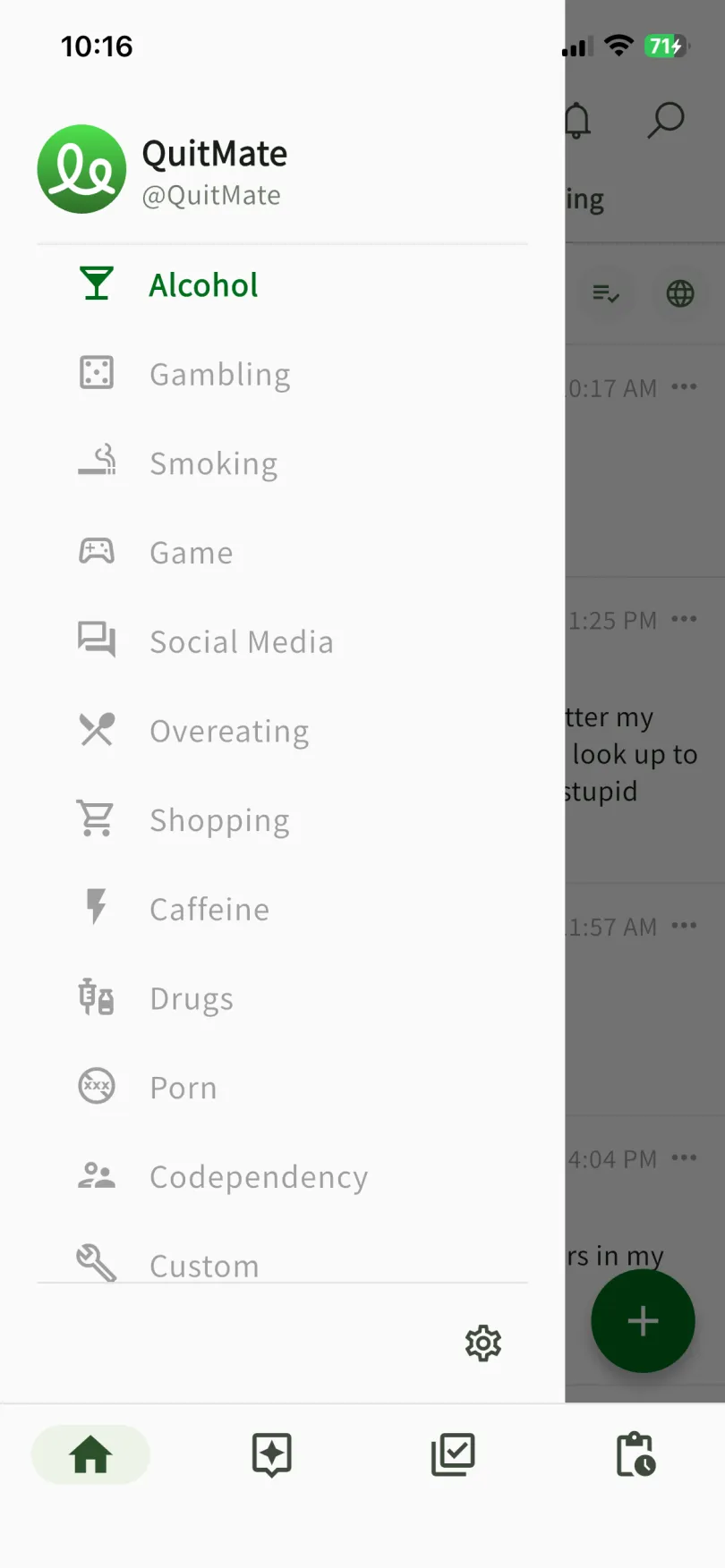
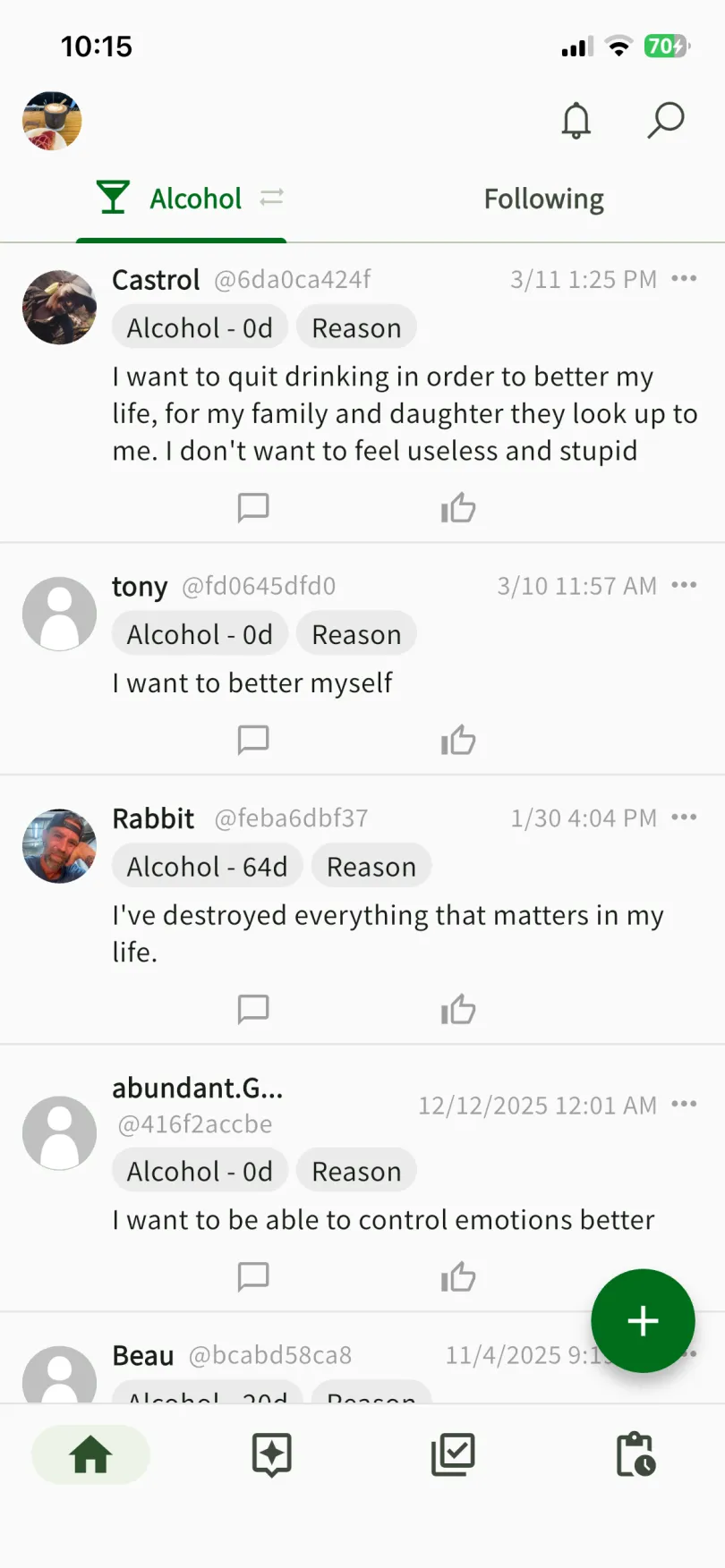
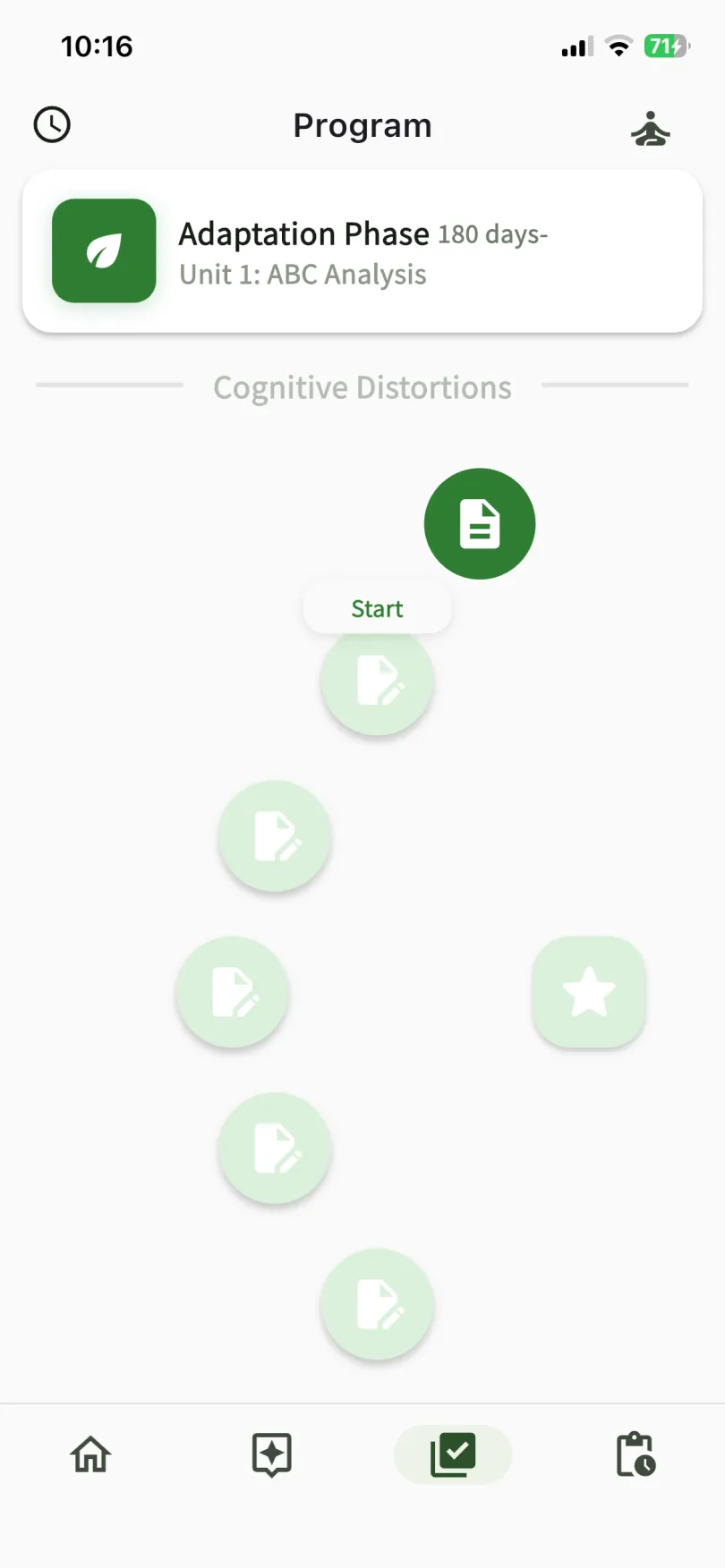

QuitMate
Together, you can quit
Connect anonymously with others who share your struggle. Whether it's alcohol, smoking, gambling, or other habits, you're not alone.