
How to Stop Sports Betting Without Planning Around the Next Bet
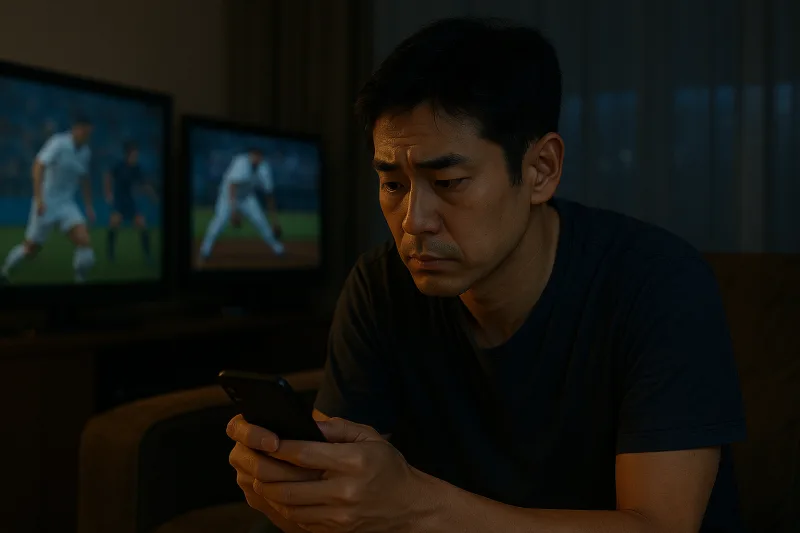
You sit down to watch a match and find yourself watching the odds instead. A late goal changes not just the score, but whether you feel you can stop for the evening. If sport has become difficult to separate from betting, the match itself needs a plan.
Knowing the sport does not settle the bet
Knowledge of players and teams can inform a prediction. It does not remove uncertainty or guarantee a profitable wager at the offered odds. A correct prediction remembered afterward also tells you little about your complete record. Check all stakes and returns, including repeated bets during the same match.
Live betting can offer more decisions before the event has ended. For someone chasing a loss, the next market becomes another chance to try to repair it. You do not have to wait for the final whistle to stop.
Before the next match
Remove saved payment details and gambling promotions. Consider leaving odds or betting-tip groups, and ask friends to avoid sending slips or invitations to bet. A simple message can be enough: “I’m stopping betting. Please leave me out of the betting chat.”
Use available self-exclusion and blocking options, checking their scope. In Great Britain, the Gambling Commission explains operator and multi-operator self-exclusion. In the United States, arrangements vary by jurisdiction; the National Council on Problem Gambling can help you find local resources. A tool available in one country may not exist in another.
Keep money for essentials out of the plan for another bet. If you need help managing spending, agree on specific arrangements with a trustworthy person. There is no need to share account passwords or accept control from someone who pressures you.
Decide how you want to follow the sport
For now, a match report the next day may be easier than live coverage filled with odds. You might watch with someone who knows you are stopping, or take a break from watching entirely. These are choices to try, not a test of whether you are a “real fan.”
Paper betting may keep the same routine going even without a stake. Notice whether making imaginary predictions leaves you more interested in a real deposit afterward.
If you have already placed another bet
Pause before adding money. Save the financial record you need, then close the betting interface. Contact your support person or service and say what happened. A new loss does not have to become an evening of chasing it.
For help with access, finances, and urges beyond match days, see five practical steps for stopping gambling.
You may also like

From Three Months to a Year Without Gambling: Rebuilding Money and Daily Life
Accounts near three months describe debt payments, different priorities, and urges that remain. Use them to plan the months ahead without assuming a guaranteed recovery milestone.

One Month Without Gambling: Bills, Payday, and Access to Betting
A month can bring a different phone bill or spending pattern. Use those details to review payments, gambling access, and the support you need before the next payday.

Two Weeks Without Gambling: Money Left Over and Unplanned Days
A quieter bank account can coexist with sudden urges. Individual records show why a cancelled plan or payday deserves preparation, even after two weeks without betting.

Gambling Recovery Before Treatment: What You Can Start Now
Some people improve without formal treatment, but that is not a reason to wait for a crisis. Understand natural recovery and find a first step toward gambling support.

QuitMate
Together, you can quit
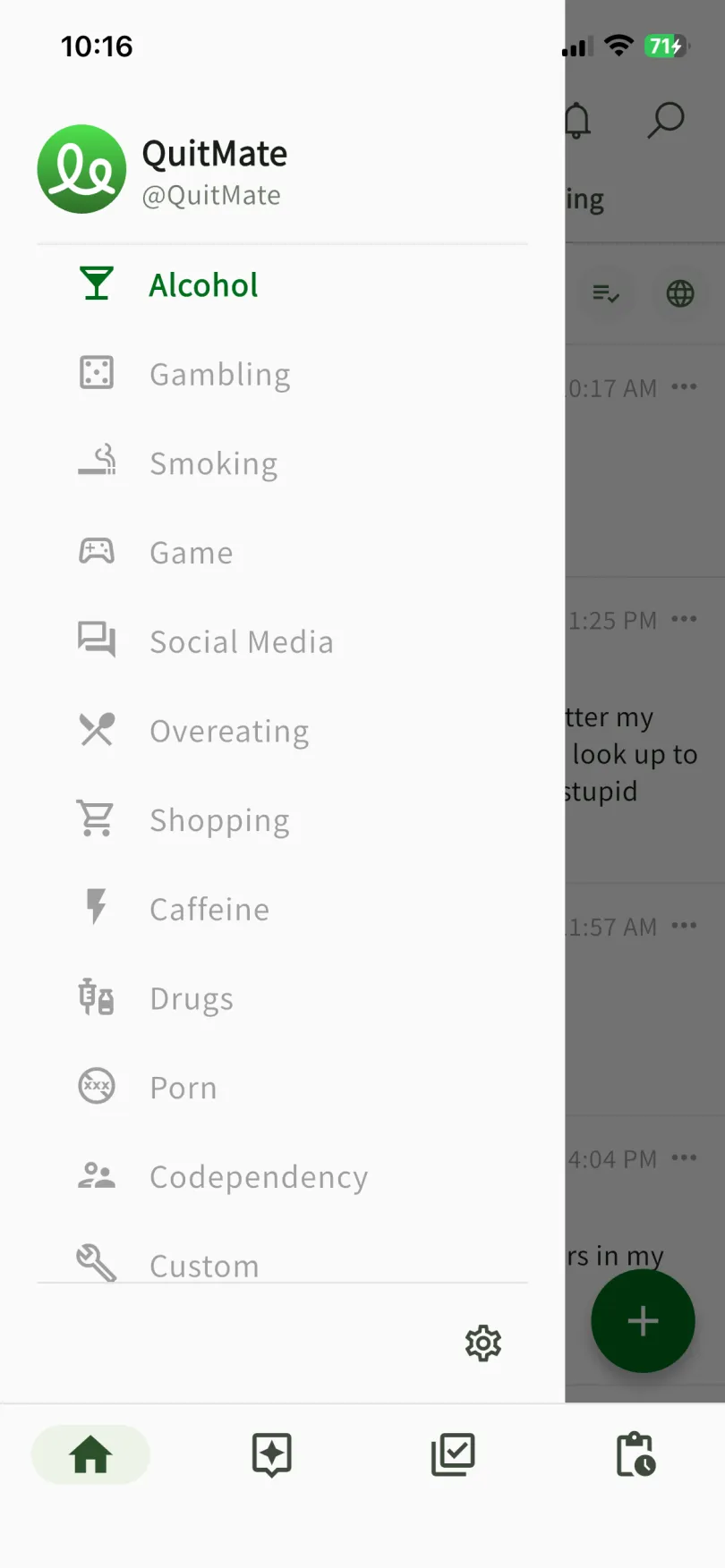
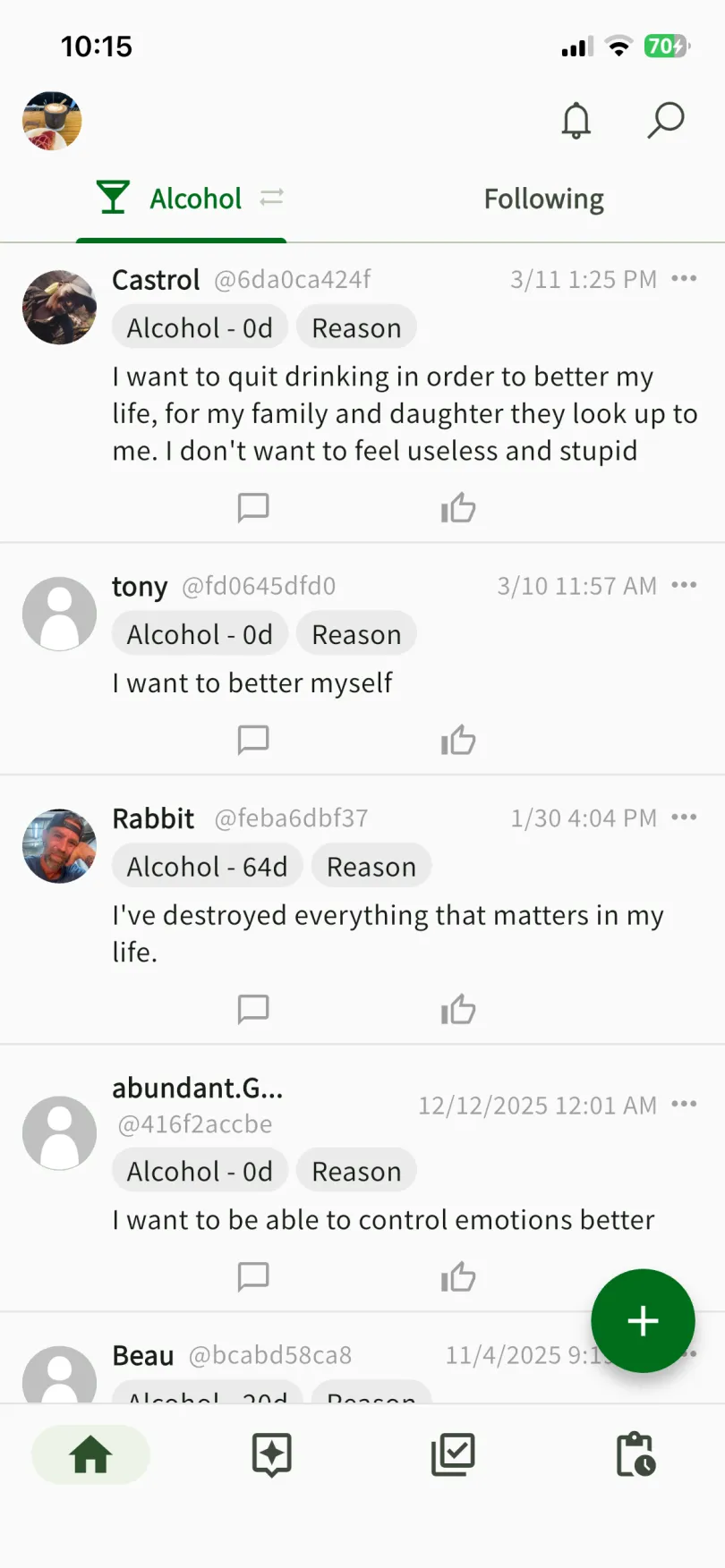
Connect anonymously with others who share your struggle. Whether it's alcohol, smoking, gambling, or other habits, you're not alone.