
Can a Recovery App Help Without Keeping You on Your Phone?

You open a recovery app to record the day. Twenty minutes later, you are still refreshing for a reply. The purpose was to help you get through the evening; now the evening is disappearing into the screen.
That does not make the app useless. It does make its purpose worth deciding in advance.
Give the app a job
A day counter can keep a record visible. A short post can put a difficult moment into words. Another person’s experience can give you an idea for tomorrow. Those are specific uses you can evaluate.
There is no need to describe them as “running the addiction circuit backward.” Reward learning is involved in many activities, but that does not establish that a social app reverses addiction in the brain. A broader explanation of addiction includes health and circumstances that an app cannot address alone.
What the data tells us
Our analysis of 599 selected QuitMate users found a relationship between early comments written and the longest recorded streak. It did not randomly assign comments or measure brain changes. Motivation, other support, and patterns of app use may help explain the difference.
A 2025 review of remote interventions found benefits when some interventions supplemented in-person alcohol or drug care, with important limitations in the evidence. It covered varied services, including telephone and computer delivery. It was not a test of QuitMate or a reason to treat every extra minute of app use as beneficial.
Try a routine with an ending
Before opening the app, decide what you came to do. For example: record the evening, read one discussion about a situation you are facing, then prepare for bed. This is an example to adapt, not a prescribed dose of recovery activity.
Keep notifications that serve that purpose and turn off ones that repeatedly interrupt you, using the controls available on your device or in the service. If a streak counter makes a setback feel catastrophic, put other information beside it: appointments kept, money protected, or a person you contacted.
After a week, ask whether this routine helped you sleep, keep a commitment, or ask for help. If it mainly left you comparing yourself with others, change how you use it or try another support option.
Keep support outside the feed
A post may receive no answer or an answer that does not fit your situation. Have a contact for urgent concerns that does not depend on the feed. Combining a community with treatment can help clarify those roles.
For QuitMate, helping someone get on with their day is a more useful aim than keeping them scrolling. A session that ends when you have what you need can be a successful one.
You may also like

When Nothing Feels Enjoyable After Stopping an Addictive Behavior
A flat or empty day can be difficult in recovery. Personal records offer ways to notice daily life, while persistent loss of interest deserves care rather than a dopamine deadline.

The Self-Medication Hypothesis: When Substance Use Becomes a Way to Cope
Edward Khantzian proposed that substance use can serve a coping function. Understanding that role can help with treatment, without making pain the only cause of addiction.

Why Do People Become Addicted? Learning, Stress, and Everyday Life
Addiction develops through interacting biological and environmental factors. How reward learning, relief from distress, and access can make stopping difficult, with practical implications for getting help.

Rat Park: Findings and Limits of the Addiction Experiment
The Rat Park studies asked whether housing affects morphine use in rats. Here is what the experiments tested, what later work questioned, and why environment matters in recovery.
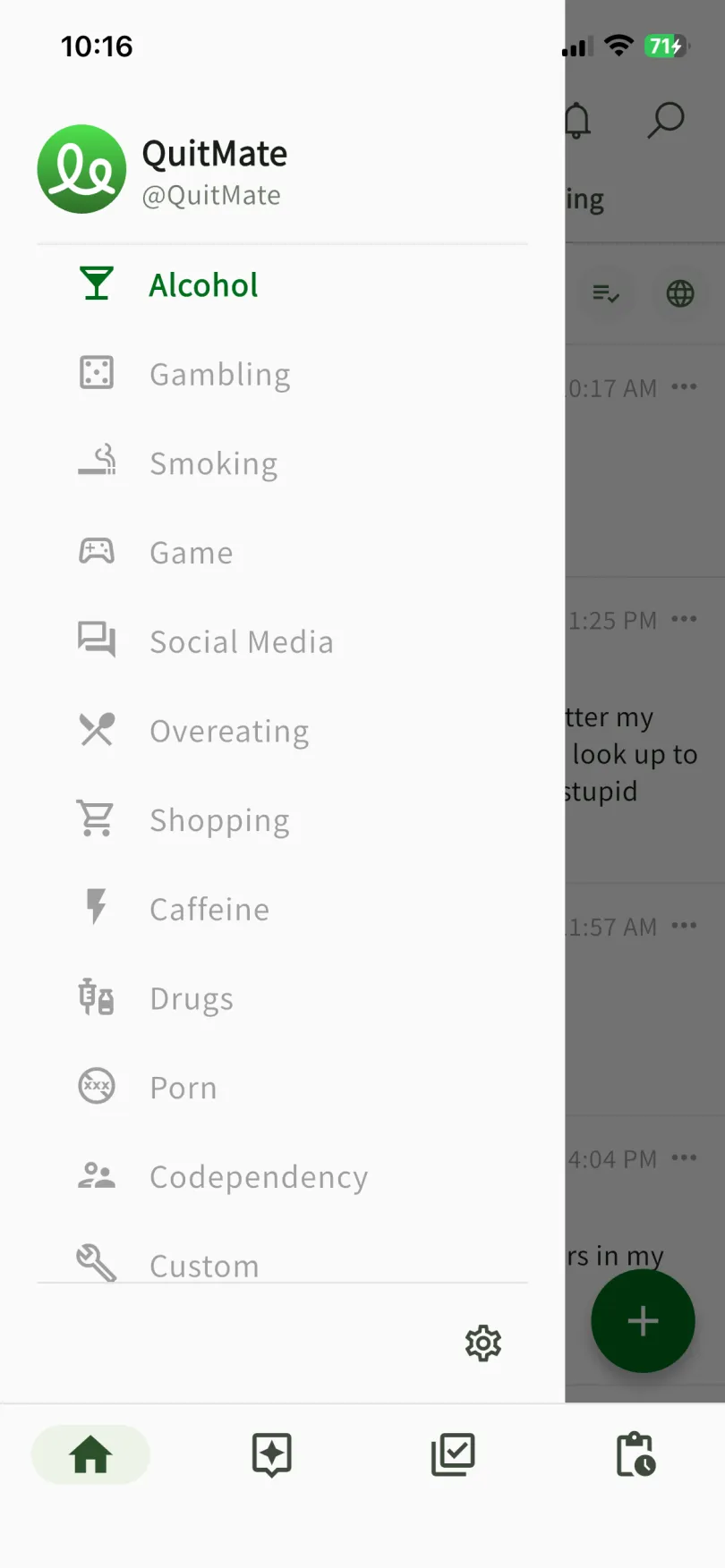
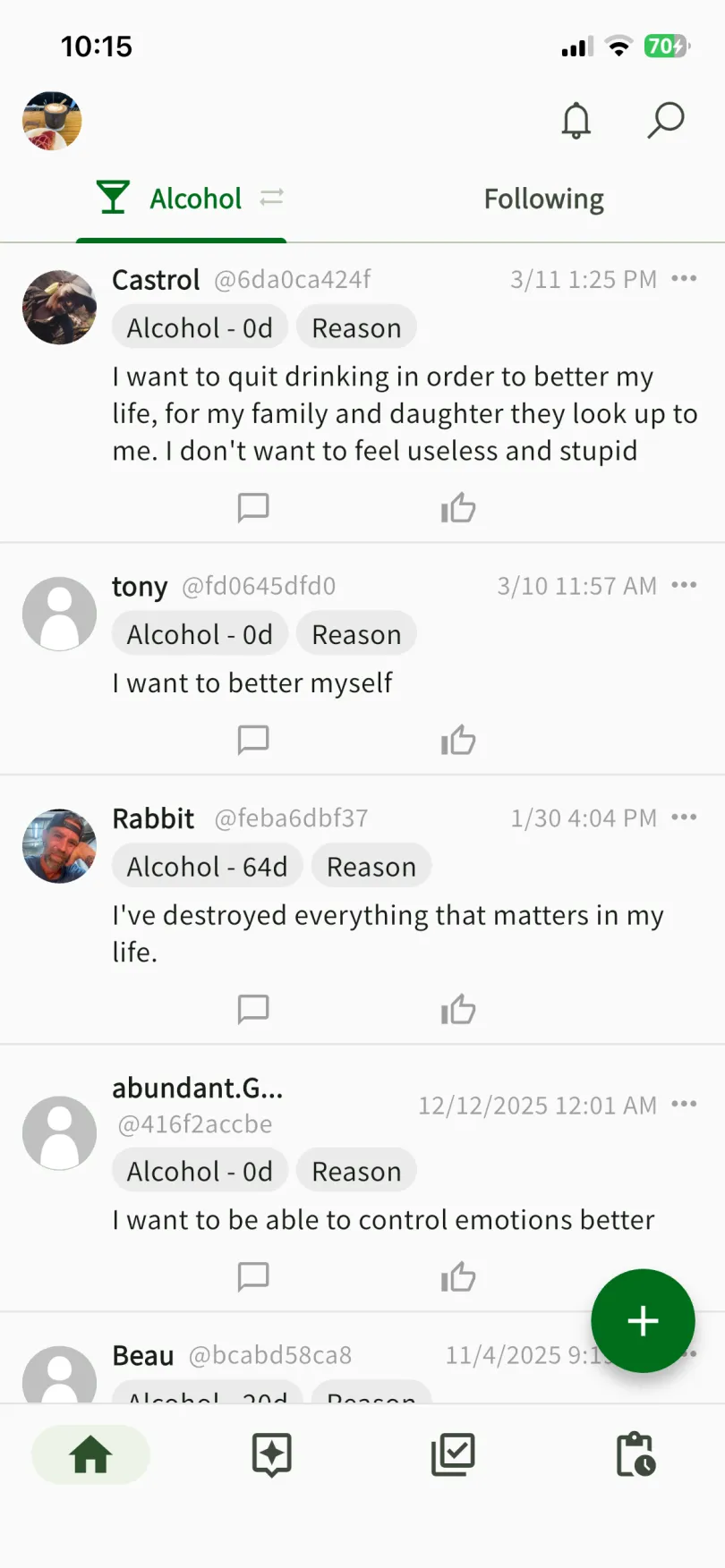
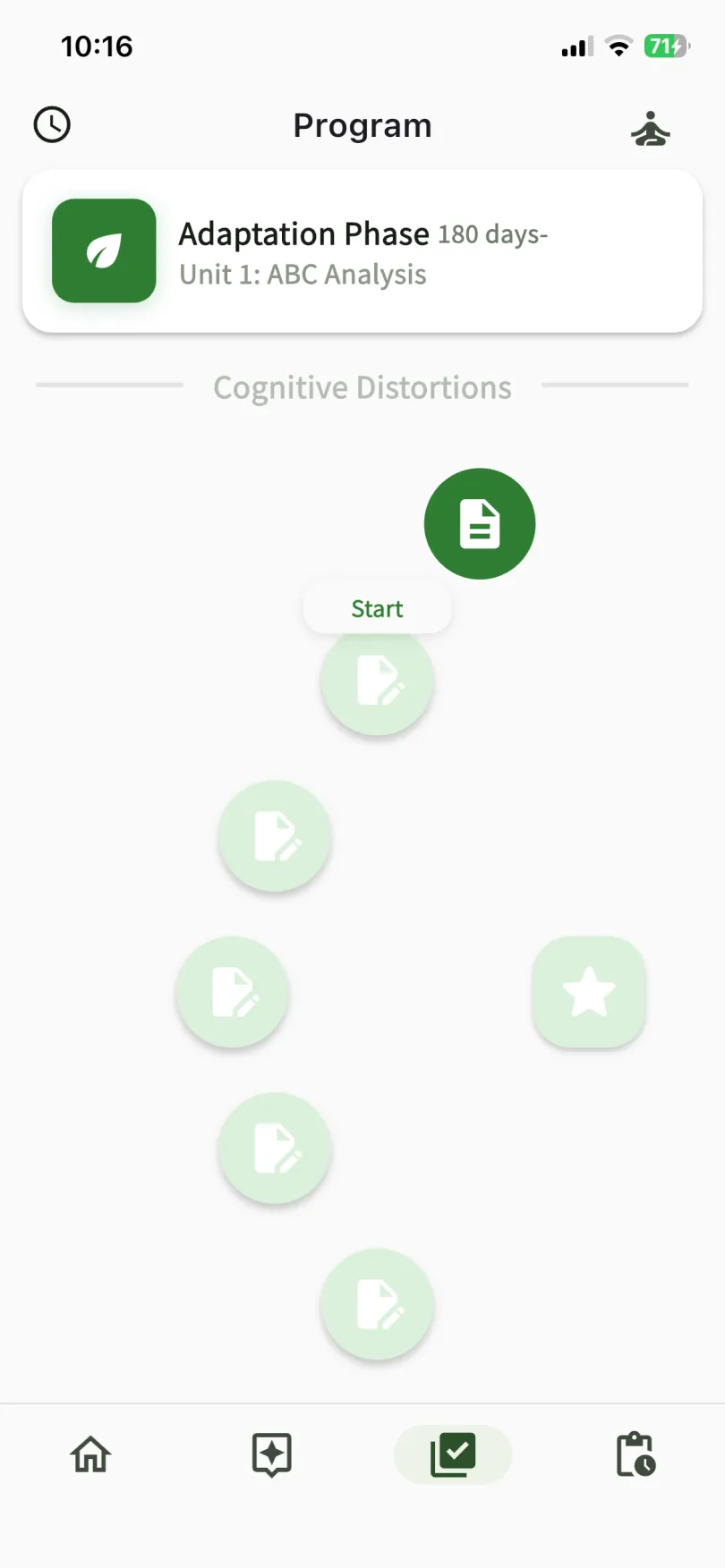

QuitMate
Together, you can quit
Connect anonymously with others who share your struggle. Whether it's alcohol, smoking, gambling, or other habits, you're not alone.