
Rat Park: Findings and Limits of the Addiction Experiment
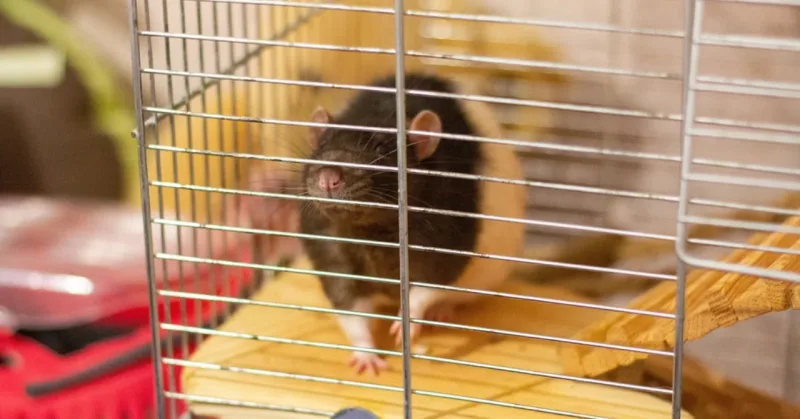
Rat Park is often told as a story with a happy ending: give an isolated rat companions and space, and it stops taking drugs. The research is more complicated, and more useful, when we keep the experimental details in view.
What did the researchers compare?
Bruce Alexander and colleagues studied morphine consumption in rats housed alone or socially. In the 1978 paper, morphine solution was their only fluid source for 57 days. The study also included periods when rats could choose between morphine solution and water. On those choice days, isolated rats drank more morphine solution than socially housed rats.
This was not a simple experiment in which untouched rats received two bottles and either became addicted or stayed drug-free. A 1981 paper separately examined early and later housing conditions. Popular accounts often combine these studies into one story.
What the experiment cannot settle
Later work did not consistently reproduce the housing effect; Petrie’s 1996 study is one example. Differences in animals and procedures matter when comparing results.
More fundamentally, drinking morphine solution in a laboratory is not the whole of human addiction. A person’s health, access to drugs, finances, relationships, and treatment history cannot be represented by cage size. The studies do not show that company removes withdrawal risks or that someone who remains addicted lacks enough love.
A useful question for recovery
The question we can take into everyday life is: what is making this change harder in the place where I live?
That might mean an evening spent alone with easy access to alcohol. It might mean a home where there is little privacy, a work shift that leaves no time for appointments, or friends whose plans always involve betting. The answer will not always be “meet more people.”
Choose one condition you can change or get help changing: somewhere else to spend a difficult hour, transport to an appointment, or a person who knows when you need a check-in. These are practical examples, not treatments tested by Rat Park.
Why the story mattered to QuitMate
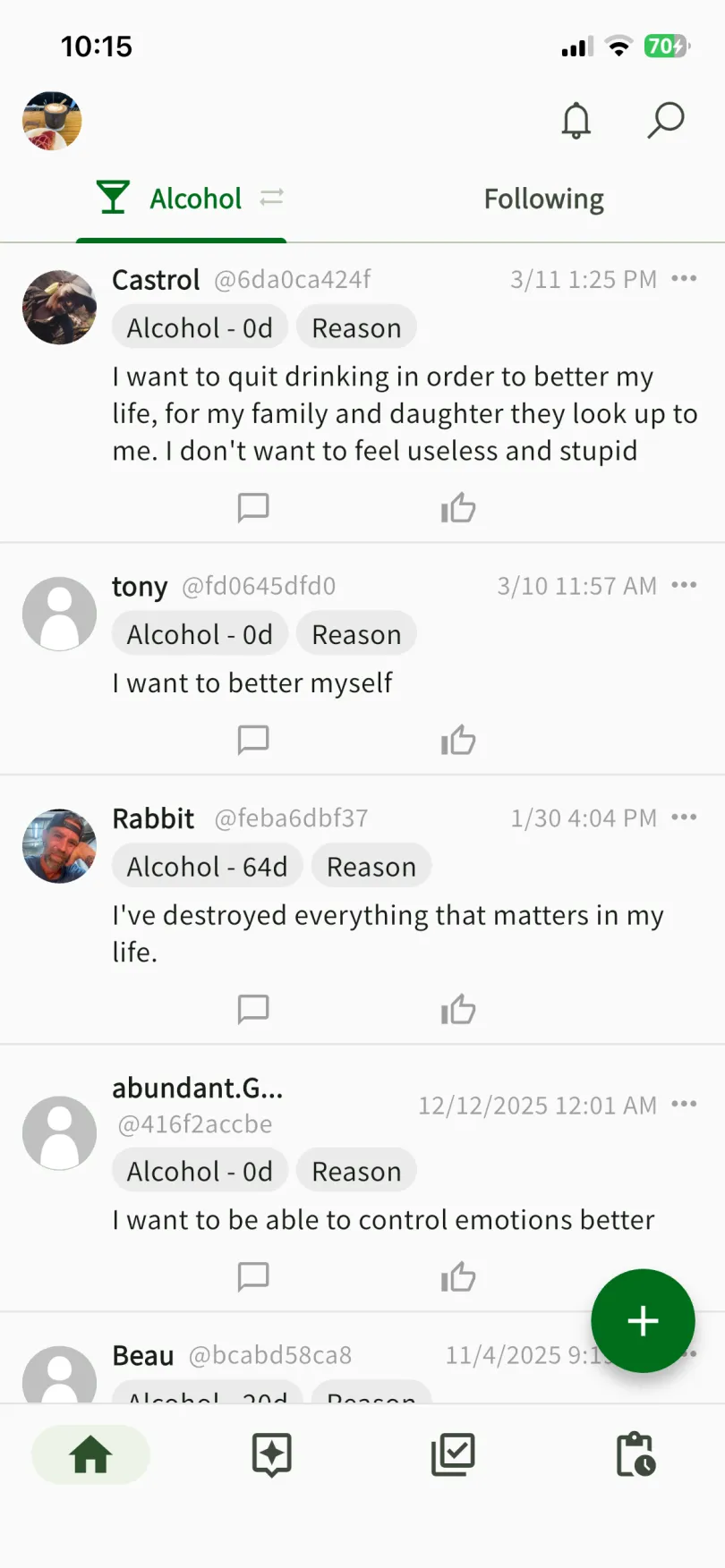
Rat Park influenced the idea behind QuitMate: a place to share the difficult parts of stopping without having to introduce yourself in person first. That is a reason we built a community, not evidence that the app treats addiction.
Peer support can sit alongside professional care and practical help. The broader account of why addiction develops includes both biology and circumstances. Environment deserves attention without making it responsible for everything.
You may also like

When Nothing Feels Enjoyable After Stopping an Addictive Behavior
A flat or empty day can be difficult in recovery. Personal records offer ways to notice daily life, while persistent loss of interest deserves care rather than a dopamine deadline.

Can a Recovery App Help Without Keeping You on Your Phone?
Recovery apps can offer records and connection, but more engagement is not automatically progress. A practical way to decide what you want from an app and when to close it.

The Self-Medication Hypothesis: When Substance Use Becomes a Way to Cope
Edward Khantzian proposed that substance use can serve a coping function. Understanding that role can help with treatment, without making pain the only cause of addiction.
Why Do People Become Addicted? Learning, Stress, and Everyday Life
Addiction develops through interacting biological and environmental factors. How reward learning, relief from distress, and access can make stopping difficult, with practical implications for getting help.

QuitMate
Together, you can quit
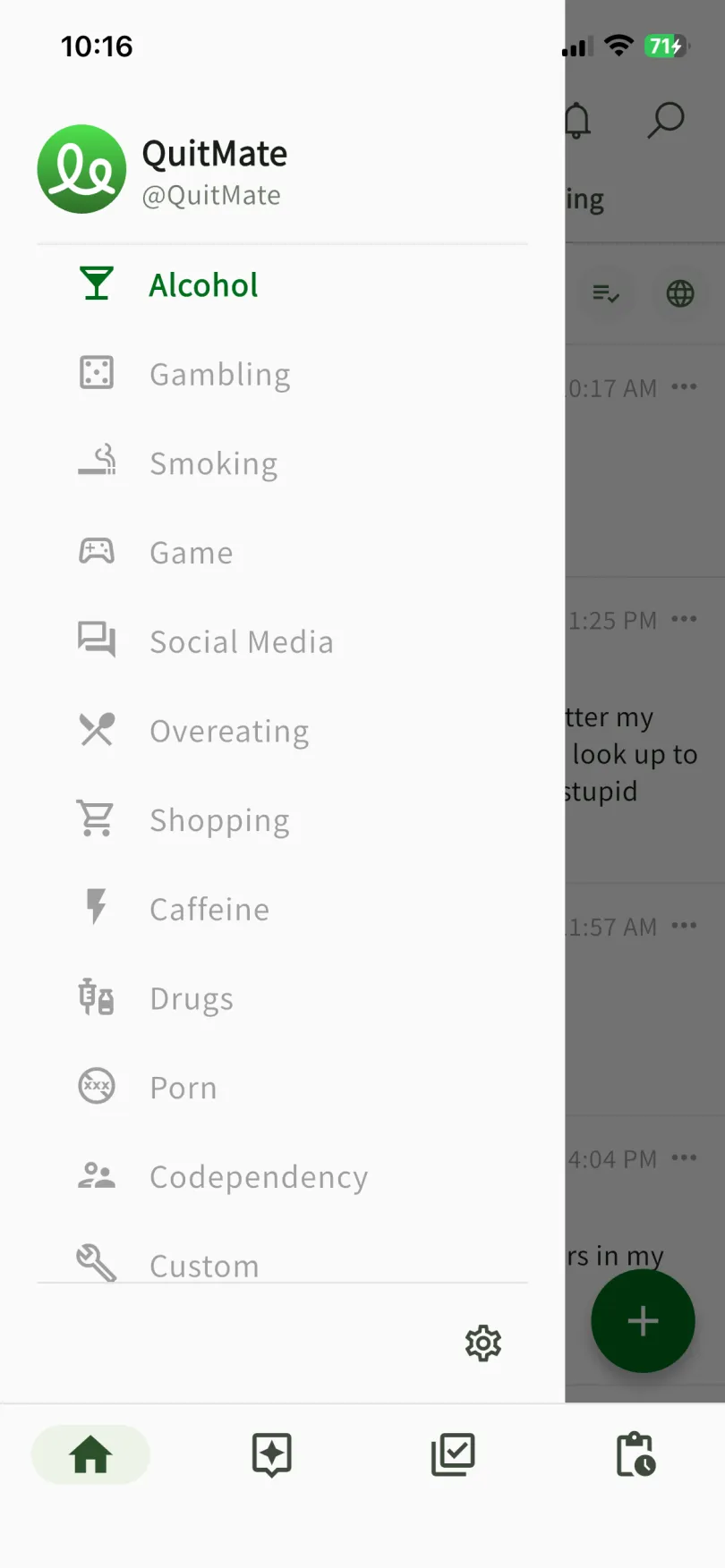
Connect anonymously with others who share your struggle. Whether it's alcohol, smoking, gambling, or other habits, you're not alone.