
When Nothing Feels Enjoyable After Stopping an Addictive Behavior

Stopping an addictive behavior does not always make the day feel better immediately. There may be time available without much interest in using it. A walk, a meal, or a conversation can seem less appealing than expected.
That experience deserves attention. It is not enough to tell someone that their dopamine receptors will return on schedule, or that they should make life as unstimulating as possible until they do.
A change in how someone saw themselves
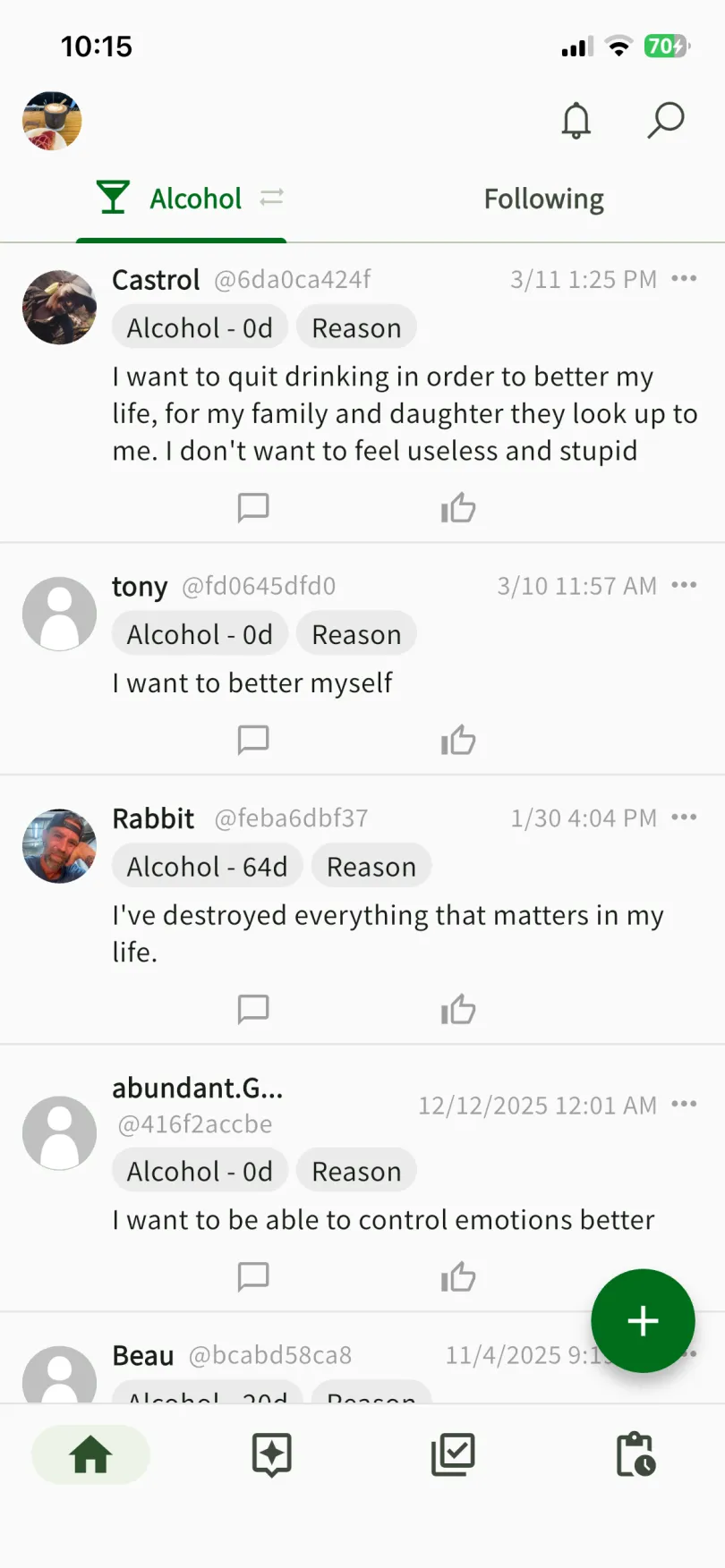
A QuitMate writer reflecting on 87 days without bingeing and purging wrote:
I’d done bulimia for so long that I’d lost track of what my actual personality was like. I assumed I was lazy, the type who’s always going for one big payoff. After I started eating normally, I realized it was the opposite. What looked like swinging for the fences was just exhaustion — bulimia had drained all my resources.
The writer reconsidered a harsh description of their personality. Their account cannot establish a mechanism for everyone, but it shows why “I am lazy” can be too simple a description of a difficult period. Exhaustion, illness, sleep, and the demands of managing symptoms can all affect what someone can do.
Why one brain explanation is not enough
Reward and motivation are involved in addiction, but an individual’s lack of enjoyment cannot be diagnosed as a particular number of dopamine receptors. The same description can accompany depression, withdrawal, poor sleep, medicines, or other health and life circumstances.
For alcohol, NIAAA’s discussion of co-occurring mental health conditions explains why those concerns need assessment. Do not abruptly stop heavy regular drinking without medical advice. Eating-disorder symptoms likewise need appropriate care; a personal recovery post is not a plan for managing them alone.
Notice something concrete, without forcing enjoyment
At 180 days without alcohol, another writer described buying fruit:
Six months in. Before I quit, I was buying junk food and sweet bread. Now it’s peaches, apples, cherries. A peach costs the same as three cans of beer. Eating a fresh peach every day is cheaper than how I used to live.
The detail is a peach on an ordinary day. It is not a prescribed diet or a promise that fruit restores a reward system. It is something this person wanted to spend money on.
You might note a meal you managed, a conversation you stayed for, or a task that took less effort. It is also fine to write that nothing felt enjoyable today. A record can be useful before it becomes encouraging.
Keep support within reach
Maintain manageable opportunities for rest, food, contact, and activities you used to value. There is no need to remove every pleasant thing in an attempt to speed up receptor recovery. If an activity repeatedly leads back to the behavior you want to change, adjust that specific situation.
If low mood or loss of interest persists, worsens, or interferes with life, speak with a clinician. Seek urgent help if you may harm yourself. You can review what happened without attacking yourself while getting support for the symptoms themselves.
You may also like

Can a Recovery App Help Without Keeping You on Your Phone?
Recovery apps can offer records and connection, but more engagement is not automatically progress. A practical way to decide what you want from an app and when to close it.

The Self-Medication Hypothesis: When Substance Use Becomes a Way to Cope
Edward Khantzian proposed that substance use can serve a coping function. Understanding that role can help with treatment, without making pain the only cause of addiction.

Why Do People Become Addicted? Learning, Stress, and Everyday Life
Addiction develops through interacting biological and environmental factors. How reward learning, relief from distress, and access can make stopping difficult, with practical implications for getting help.

Rat Park: Findings and Limits of the Addiction Experiment
The Rat Park studies asked whether housing affects morphine use in rats. Here is what the experiments tested, what later work questioned, and why environment matters in recovery.

QuitMate
Together, you can quit
Connect anonymously with others who share your struggle. Whether it's alcohol, smoking, gambling, or other habits, you're not alone.