
CRAFT for Families: What You Learn and What the Research Shows

When someone close to you keeps drinking or using drugs, advice to “set boundaries” can leave the practical questions unanswered. What should you say? Which responsibilities can you stop taking over? What support do you need yourself?
CRAFT, short for Community Reinforcement and Family Training, is a structured approach to working on those questions with family members or other concerned people. It includes their wellbeing as well as ways to encourage treatment.
What families work on
The following seven themes are an editorial overview, not a universal seven-session syllabus:
- Look at situations. Describe what happens before and after use, including short-term consequences, without assuming you know the person’s private motives.
- Notice helpful behavior. Acknowledge actions you genuinely appreciate when it feels safe and appropriate, such as keeping an agreement or spending time together without using.
- Review taking over consequences. Consider which responsibilities you can stop carrying. Plan changes with attention to safety, dependents, and shared obligations.
- Choose the timing of contact. Difficult conversations may be more manageable when the person is sober and the situation is calm. Medical emergencies still need a response.
- Practice clear communication. Use specific requests and describe your own concerns. You do not have to accept blame for someone else’s behavior.
- Prepare a treatment invitation. Know the available service, how to contact it, and what practical help you could offer if the person is willing.
- Restore your own support. Make room for rest, care, relationships, and activities that belong to your life.
These changes should be adapted with a trained professional when possible. A family member who is frightened, exhausted, or hurt should not be pressed to offer warmth or physical affection.
What the 1999 trial found
A randomized trial by Miller, Meyers, and Tonigan included 130 concerned significant others of people with alcohol problems who were not seeking treatment. The reported rates of the person entering treatment were:
| Approach offered to the concerned person | Treatment entry |
|---|---|
| CRAFT | 64% |
| Johnson Institute intervention | 30% |
| Al-Anon facilitation | 13% |
The outcome was treatment entry, not recovery or lasting abstinence. Al-Anon facilitation in this trial should not be relabeled as every family self-help group. Family functioning and wellbeing improved across the approaches, so that finding should not be claimed as unique to CRAFT.
The trial concerned alcohol problems. It does not establish the same percentage for gambling, other substances, or your family.
Finding an appropriate service
Ask a local addiction or family service whether a clinician has CRAFT training, what the program involves, and how it handles safety. A book can introduce the ideas, but cannot assess your household. For gambling concerns in the US, the National Council on Problem Gambling provides a route to local resources; services elsewhere differ.
Violence, threats, serious intoxication, or a child’s safety are reasons to get appropriate help promptly. Do not withhold food, housing, or urgent medical care to create “natural consequences.” You can seek support for yourself even if the other person declines treatment. Our article on family boundaries discusses everyday decisions in more detail.
You may also like

Motivational Interviewing for Families: Conversations About Addiction
Examples of open questions, listening, and boundaries when a family member has an alcohol or gambling problem, with the limits of what a conversation can do.

Helping a Family Member With Addiction: Money, Responsibilities, and Boundaries
“Stop enabling” does not tell you what to do about a debt, a missed shift, or safety. Work through specific choices while protecting your own needs and access to support.

NoFap Day 30: Reviewing a Month Without Porn
A month is enough to look at the habits you changed. Review sleep, time, urges, and remaining difficulties without treating day 30 as a medical milestone.
The NoFap Flatline: How Long It Lasts and When to Get Help
No libido, no morning erections, no motivation, feeling nothing at all. These experiences are often called the NoFap flatline. We look at what the term means, why there is no fixed recovery timeline, and when symptoms need medical attention.

QuitMate
Together, you can quit
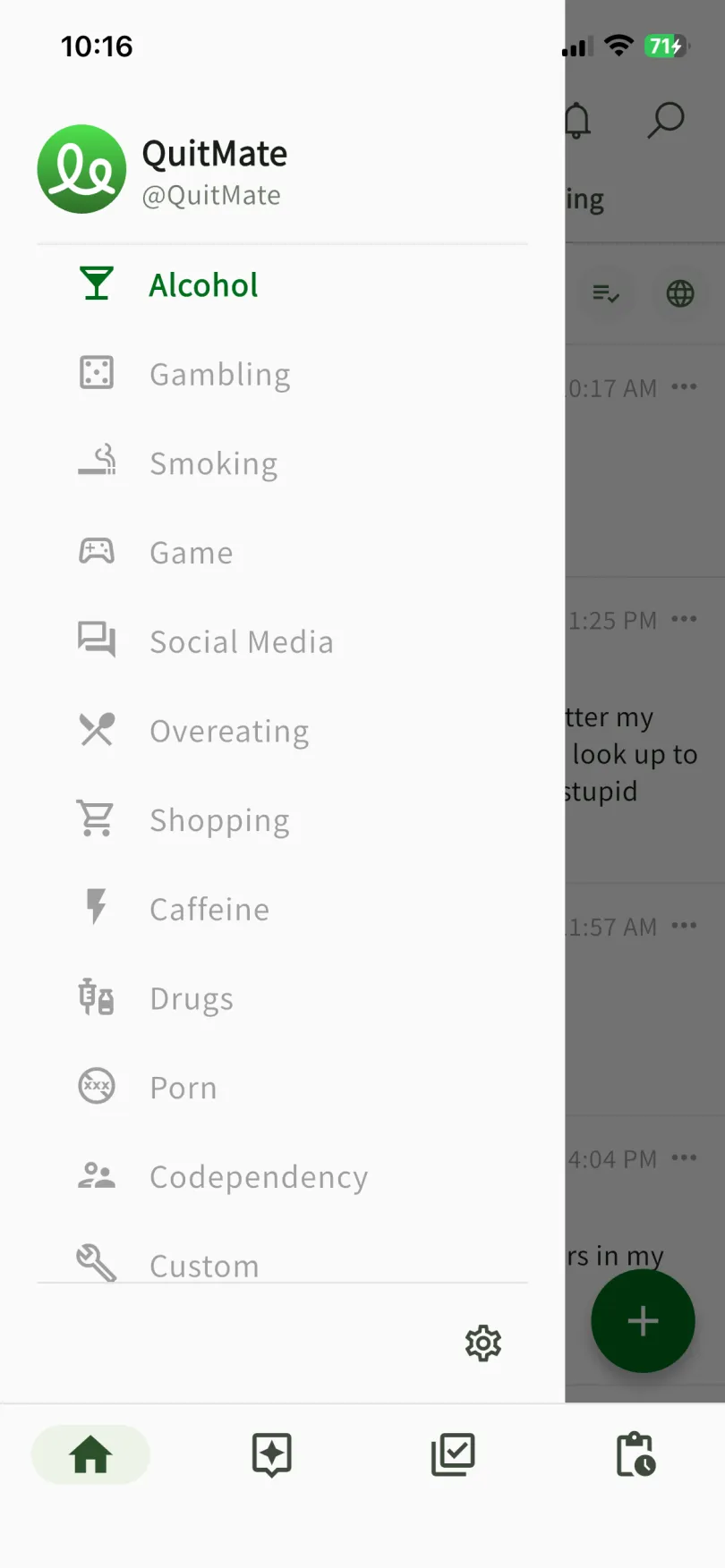
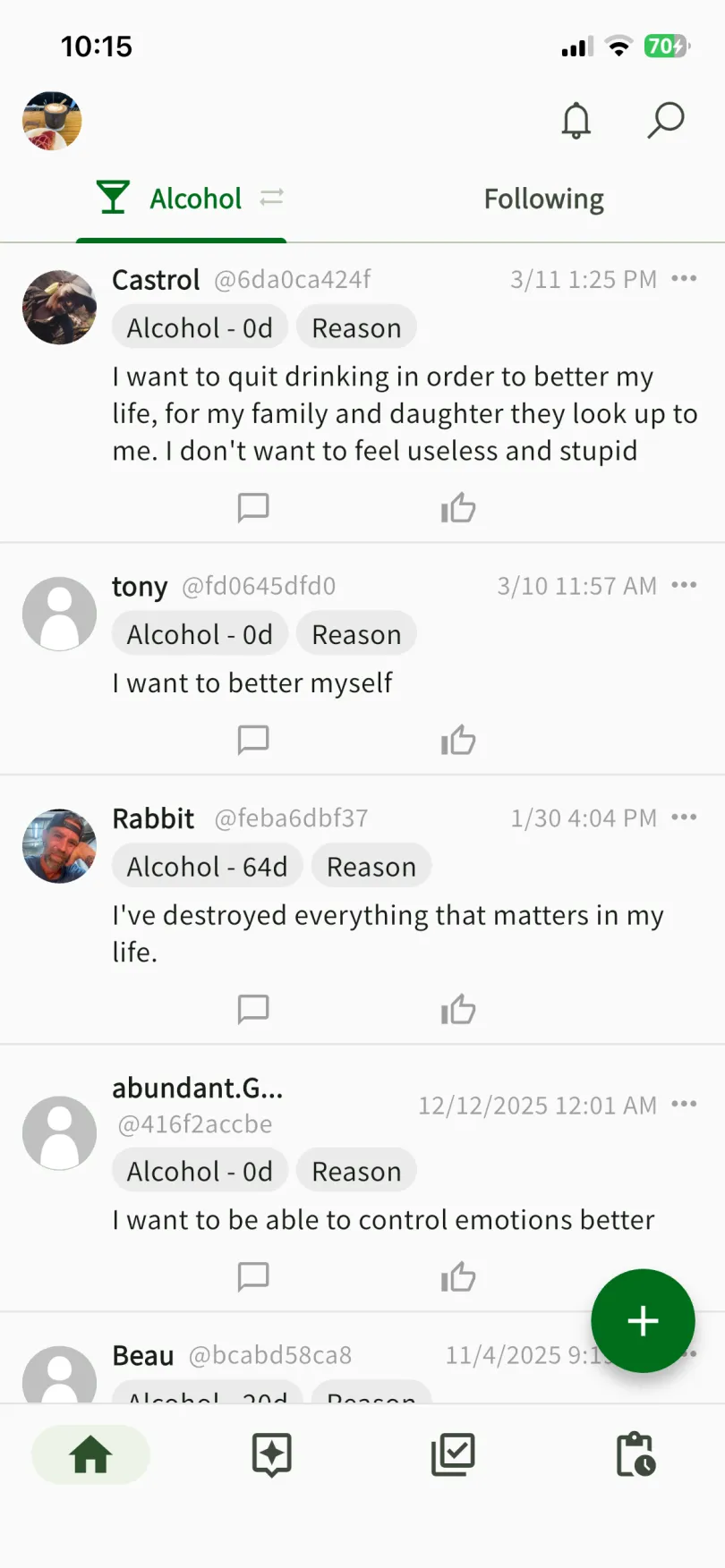
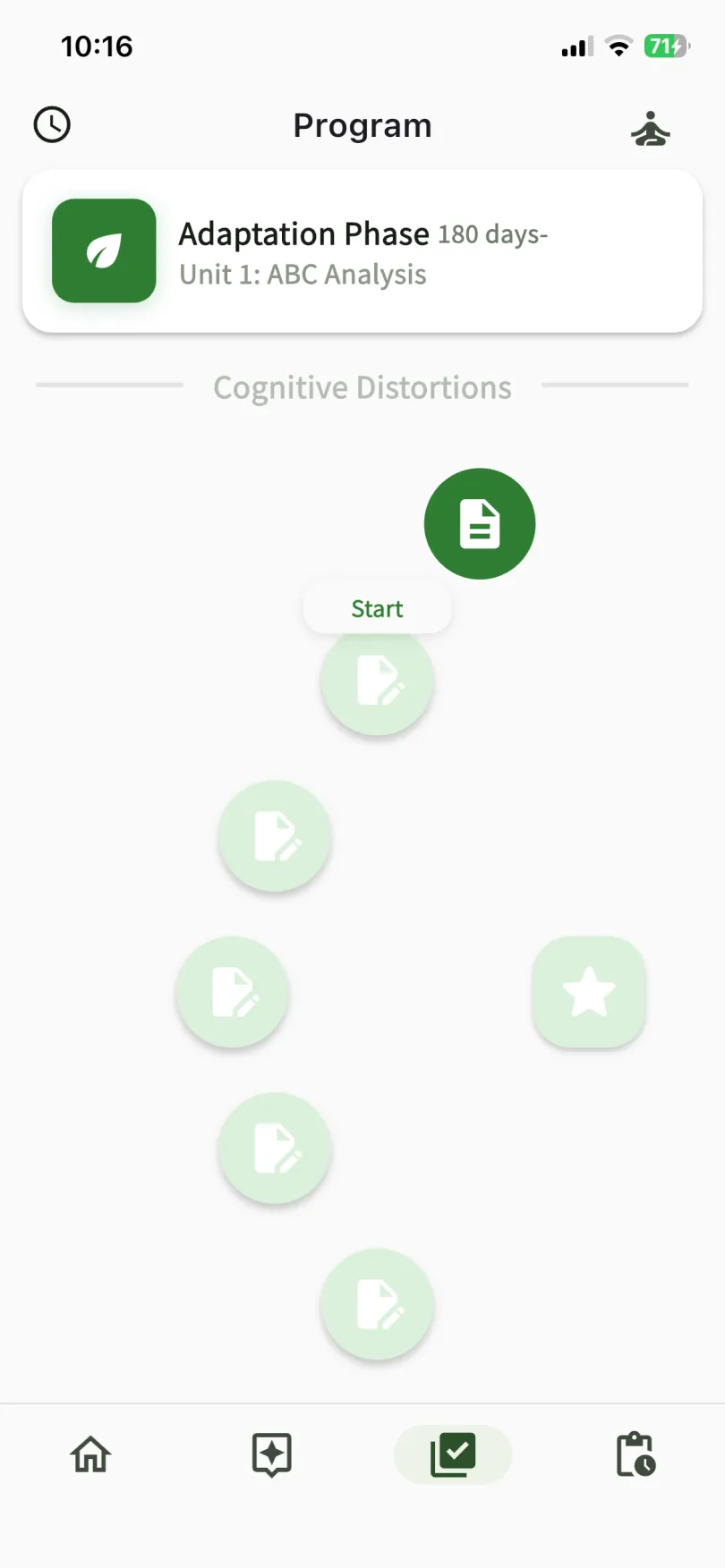
Connect anonymously with others who share your struggle. Whether it's alcohol, smoking, gambling, or other habits, you're not alone.