
One Week Without Alcohol: Restless Nights and Different Mornings
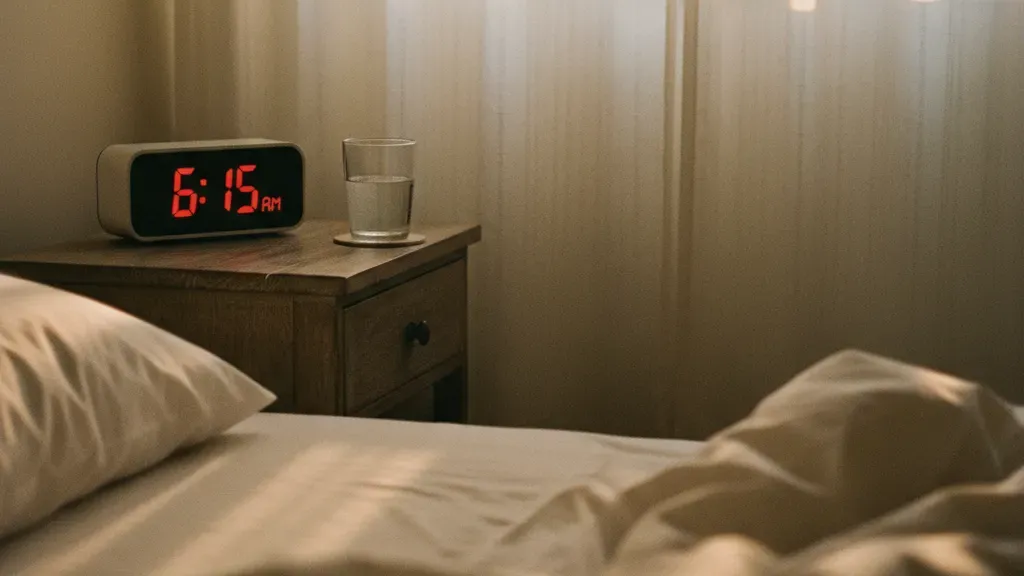
You stop drinking, then find yourself awake at night and tired the next morning. That can make the expected benefits feel distant. QuitMate’s first-week accounts include both sleepless nights and mornings that felt easier. They do not all follow the same timetable.
Some early symptoms need medical attention
“I can’t fall asleep, and I keep waking up way too early. I’ve failed before because the insomnia stressed me out so much. This time, I’m going to push through!” (Day 1)
The strain of going to work after poor sleep is real. But sweating, shaking, nausea, or other symptoms after reducing alcohol may be withdrawal, rather than a difficulty to push through with determination.
If you drink heavily on a regular basis or have had withdrawal before, seek medical advice before abruptly stopping. Hallucinations, seizures, or severe confusion require emergency help. The NHS alcohol guidance explains why withdrawal sometimes needs medical treatment.
Making evenings easier and getting symptoms assessed can be parts of the same plan. “Just get through three days” is not a safe substitute for that assessment.
Mornings in the day-four and day-five records
“Another day without drinking. Mornings feel so refreshing.” (Day 4)
“I had terrible insomnia right after quitting, but lately I’m out before I even realize it. What a relief.” (Day 5)
These writers noticed a change in how mornings or sleep felt. Alcohol can disrupt sleep even when it makes falling asleep seem easier; the NIAAA explanation of hangovers discusses that disruption.
Their dates are the days they wrote about improvement. They do not establish that deep sleep returns on day four or that everyone will sleep through the night by day seven.
A week can contain mixed changes
One day-seven QuitMate account described attending a Bon Odori festival without drinking, while also eating more sweets than intended. Both things happened. Someone expecting sleep, weight, skin, and mood to improve together might overlook the part of the evening they were glad about.
Review ordinary details: getting up for work, eating dinner, daytime sleepiness, and how the evening went. You may notice an easier morning before a change in weight. Persistent symptoms still deserve attention even if another part of life feels better.
Plan for the time you normally open a drink
Choose one familiar situation: arriving home, finishing dinner, or sitting down to watch television. Prepare something for that time, such as food, sparkling water, or a call with someone you trust. An alcohol-free drink suits some people; for others it brings drinking to mind, so notice your own response.
NIAAA’s guidance on coping with cravings includes identifying triggers and preparing ways to respond. A note about when you wanted a drink and what happened beforehand can help you plan for tomorrow.
If sleep or other symptoms remain troublesome, seek advice rather than judging them by the calendar. Two weeks without alcohol looks at changes that have settled alongside difficulties that remain.
You may also like

Changes After Quitting Alcohol: A Guide from the First Week to a Year
Find articles on early sleep difficulties, daily routines, one-month checkups, and longer-term changes. Personal records and research offer context without a guaranteed recovery schedule.

Three Months to a Year Without Alcohol: Money, Time, and Lasting Changes
Longer-term records describe spending decisions, relationships, and cravings that can remain. Explore those changes without treating three months or one year as a guaranteed turning point.

When Will You Feel Better After Quitting Alcohol? What to Watch For
Sleep, mood, appearance, and health measurements do not improve on one schedule. Learn what to observe, which symptoms need help, and how to compare your own changes.
Three Weeks to One Month Without Alcohol: Evenings, Invitations, and Checkups
As drinking routines change, empty evenings and social invitations may need a new plan. We look at personal records and what a one-month abstinence study can actually show.

QuitMate
Together, you can quit
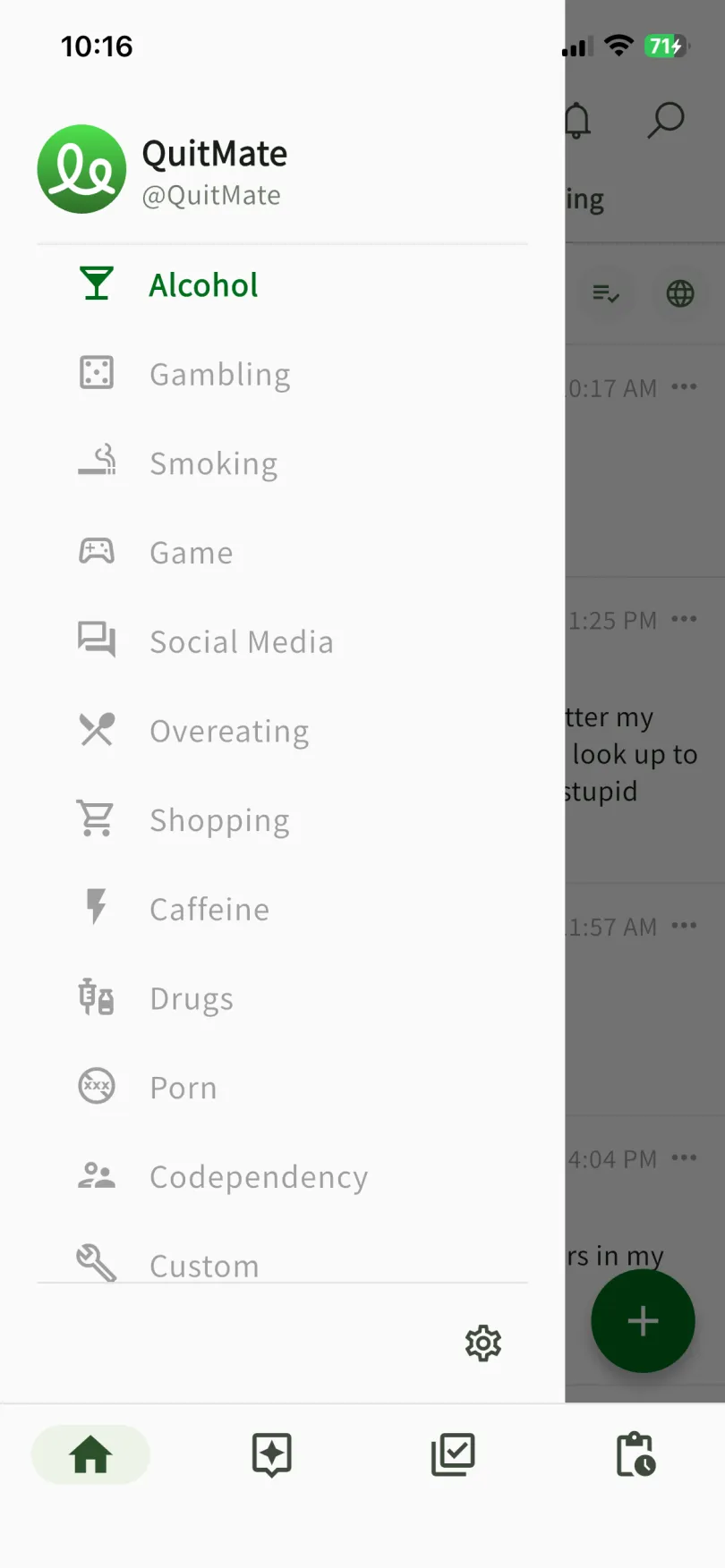
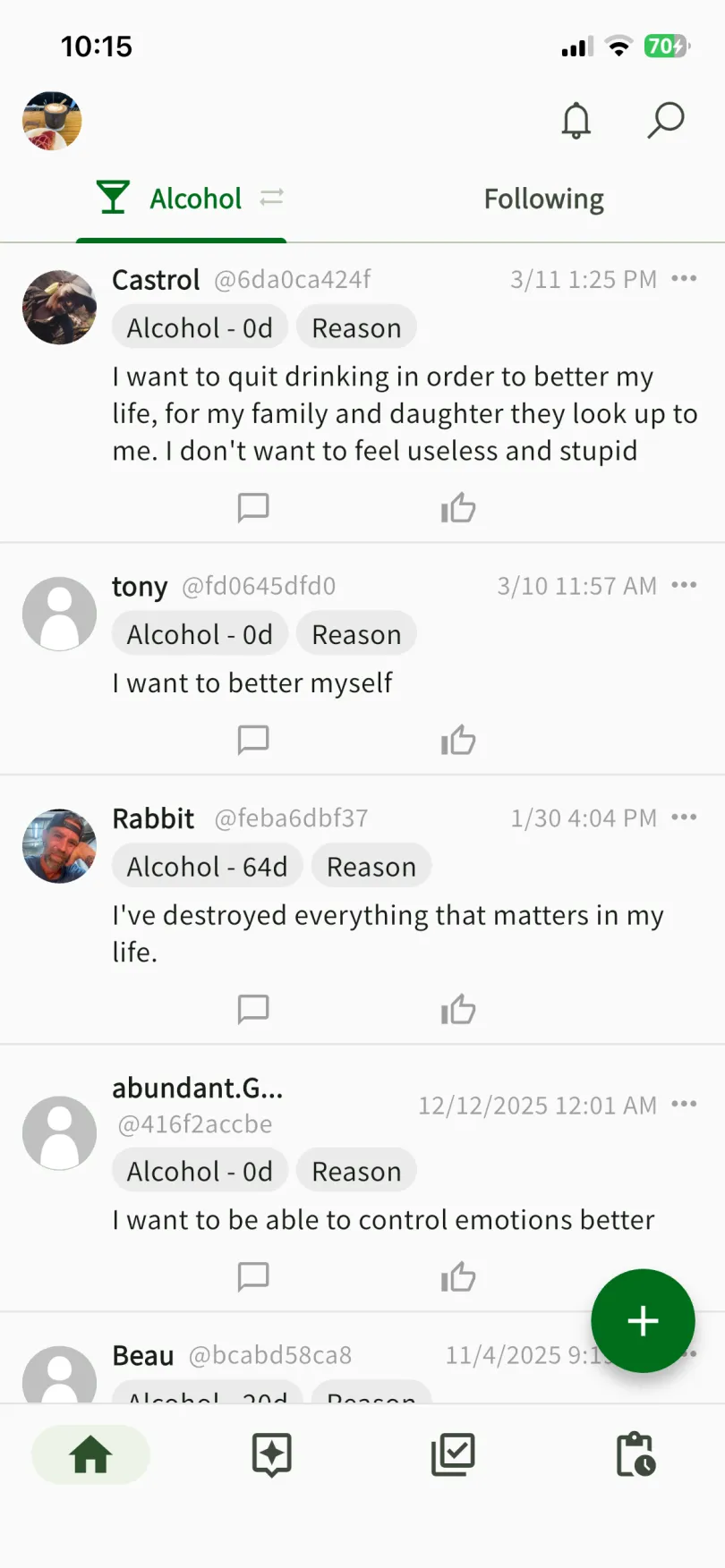
Connect anonymously with others who share your struggle. Whether it's alcohol, smoking, gambling, or other habits, you're not alone.