
Can Quitting Alcohol Really Reduce Gray Hair? Changes to Your Hair, Skin, and Appearance Explained
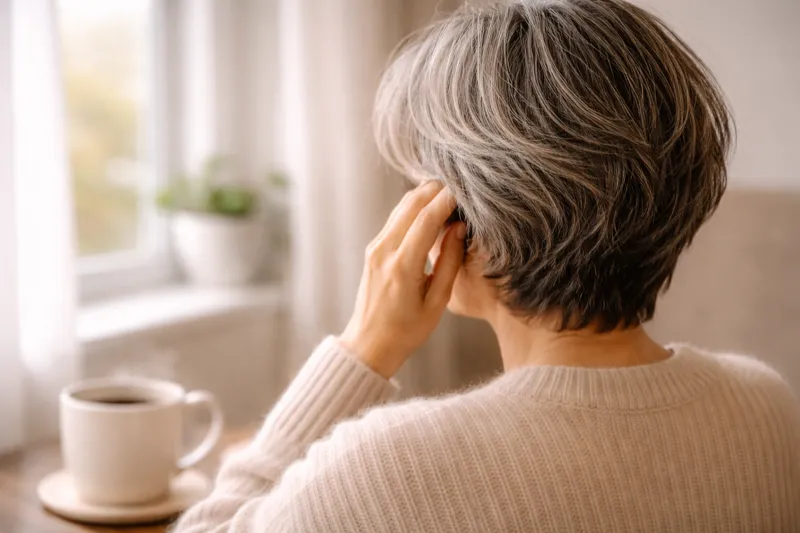
There is no established evidence here that stopping alcohol restores gray hair to its original color. QuitMate’s records do include people noticing less shedding or changes in their skin. Those are different observations, and keeping them separate helps answer the question more accurately.
What the hair-color studies actually tested
A 2020 study in mice examined how stress could deplete pigment-producing stem cells through sympathetic nerve activity. It did not test whether people who stop drinking regain hair color.
A 2021 human-hair study documented pigmentation changes along individual hairs, including some reversals, and explored their relationship with stress. It was not a trial of alcohol abstinence or a treatment for age-related graying.
These findings make hair pigmentation an interesting research question. They cannot establish a chain in which alcohol causes stress, stopping alcohol restores pigment cells, and gray hair turns dark again. Nor do they justify assuming that every gray hair can or cannot repigment.
Less shedding is a different observation
One QuitMate user wrote at day 65:
“Since I stopped drinking, my hair loss has decreased and I’ve even lost a bit of weight.”
The writer noticed less hair loss. The post does not measure hair color, establish the cause of shedding, or show how many other users had the same experience. Changes in nutrition, health, medicines, and hair care may also matter.
If you notice sudden or substantial shedding, patches of hair loss, or scalp symptoms, discuss them with a clinician or dermatologist. Waiting for three months of abstinence is not a way to rule out other causes. Claims about how long alcohol markers remain detectable in hair are also different from a timetable for hair growth or repair.
Skin and appearance deserve their own record
An existing day-seven account says:
“One week without alcohol. The most obvious difference is the condition of my facial skin. The breakouts have improved dramatically.” (Day 7)
This is a personal report of improved skin. It does not promise the same result in a week. If you want to compare your appearance, use similar lighting and note other changes such as sleep, skin care, or treatment. A photograph cannot isolate alcohol’s contribution, but it can be more informative than memory alone.
Some records describe having more interest in clothes or a haircut. That is another kind of change: making time to care for yourself. It need not involve a reversal of aging to matter.
What to expect from stopping alcohol
Choose a drinking goal around your health and circumstances, rather than a promise about hair color. If you may be dependent on alcohol, get medical advice before abruptly stopping. Our first-week guide explains withdrawal concerns, while two weeks without alcohol looks at mixed changes in daily life.
For gray hair specifically, the honest answer remains limited: the studies above do not show that abstinence reverses it. Improvements someone notices in shedding, skin, or grooming should be described as those changes.
You may also like

Changes After Quitting Alcohol: A Guide from the First Week to a Year
Find articles on early sleep difficulties, daily routines, one-month checkups, and longer-term changes. Personal records and research offer context without a guaranteed recovery schedule.

Three Months to a Year Without Alcohol: Money, Time, and Lasting Changes
Longer-term records describe spending decisions, relationships, and cravings that can remain. Explore those changes without treating three months or one year as a guaranteed turning point.

When Will You Feel Better After Quitting Alcohol? What to Watch For
Sleep, mood, appearance, and health measurements do not improve on one schedule. Learn what to observe, which symptoms need help, and how to compare your own changes.
Three Weeks to One Month Without Alcohol: Evenings, Invitations, and Checkups
As drinking routines change, empty evenings and social invitations may need a new plan. We look at personal records and what a one-month abstinence study can actually show.

QuitMate
Together, you can quit
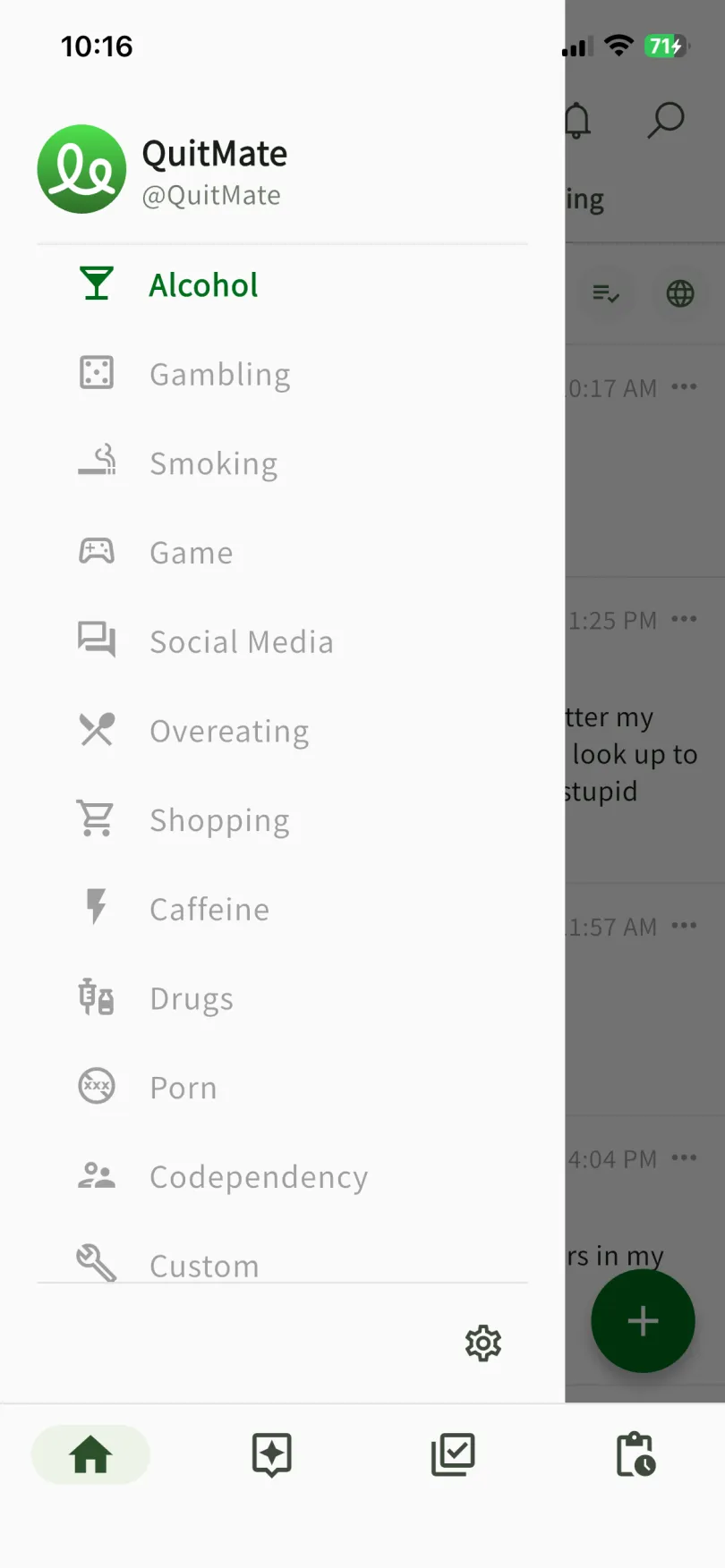
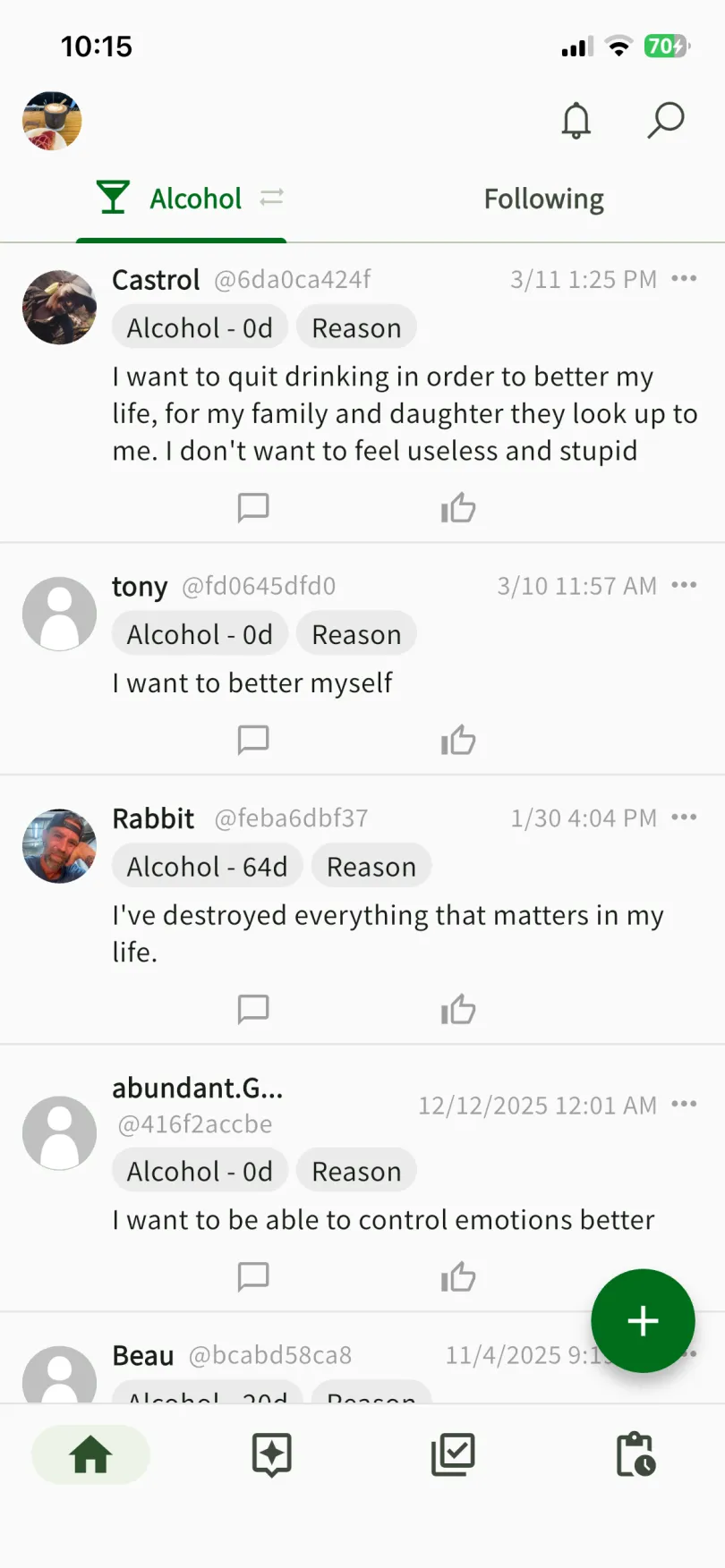
Connect anonymously with others who share your struggle. Whether it's alcohol, smoking, gambling, or other habits, you're not alone.